Milk Fever in Dairy Cattle: Causes, Symptoms, Prevention & Management
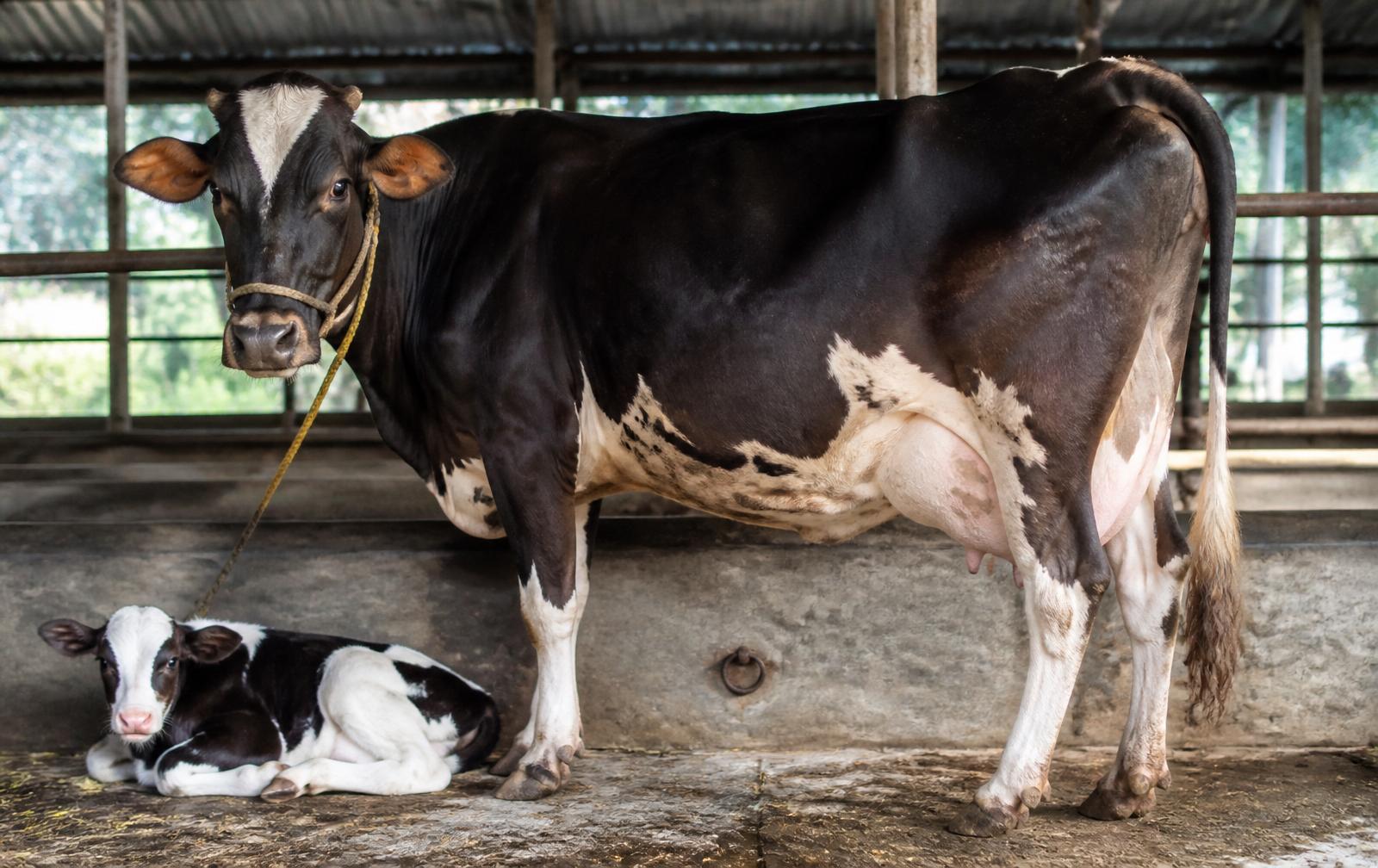
Hypocalcaemia strikes within hours of calving and quietly drains a lactation. Here is how to read the early signs and build a transition-period plan that prevents it.
Introduction
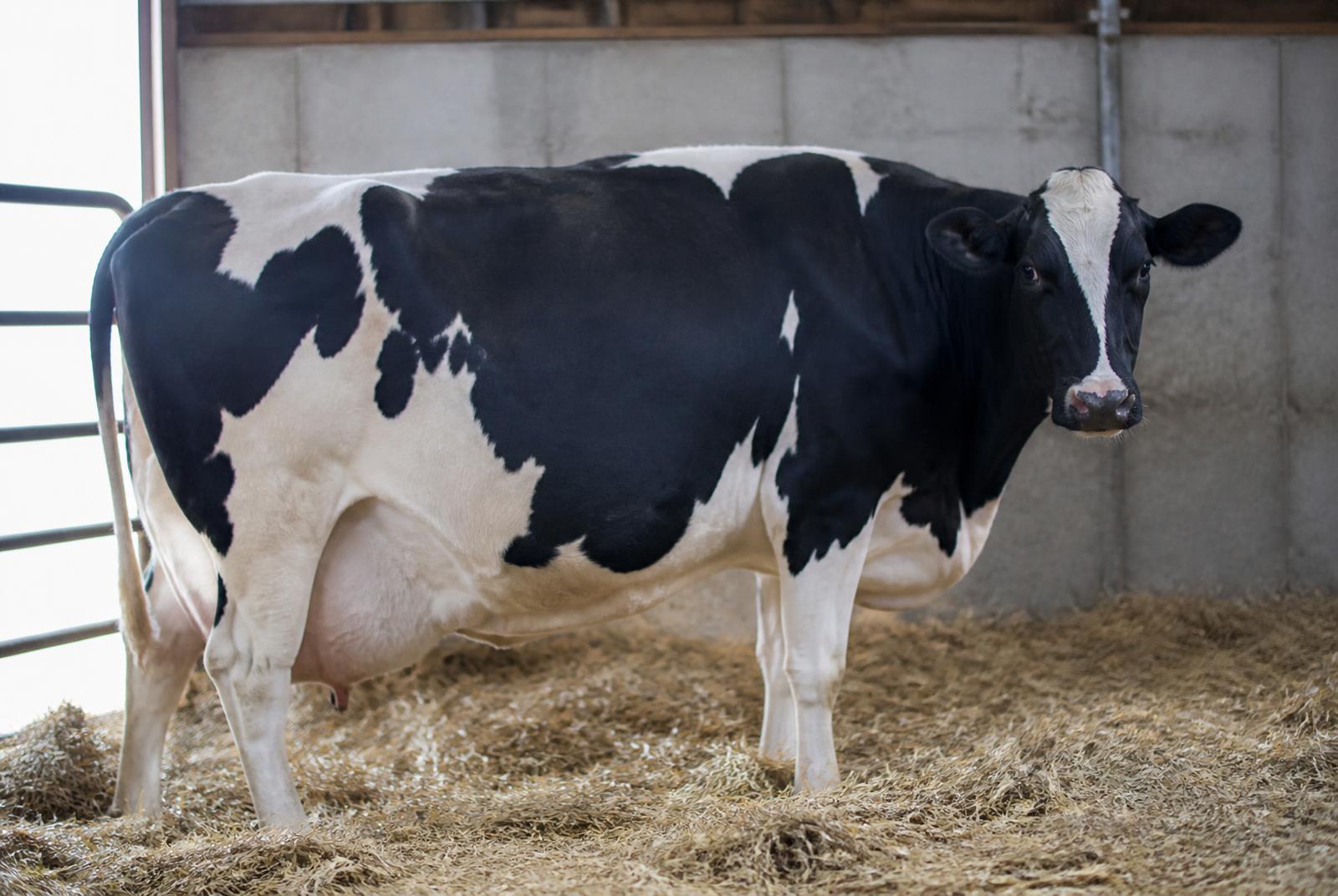
Milk fever (hypocalcaemia) is one of the most common metabolic disorders affecting dairy cows immediately after calving. As the udder suddenly begins drawing large volumes of calcium for colostrum, blood calcium falls faster than the cow can mobilise it. The result is reduced milk production, weak muscles, delayed recovery and a much higher risk of secondary diseases.
Clinical milk fever is only the visible part of the problem. For every cow that goes down, several more in the herd carry subclinical hypocalcaemia — no dramatic symptoms, but measurably lower intake, weaker uterine tone and a slower return to cycling.
What causes milk fever?
- A sudden calcium drain at calving: colostrum can pull out more calcium in 24 hours than the entire blood pool holds.
- Slow hormonal response — parathyroid hormone and active Vitamin D3 take time to switch on bone and gut calcium mobilisation.
- Excess calcium in the dry-period ration, which keeps the mobilisation machinery idle exactly when it should be primed.
- High-potassium, alkaline dry-cow diets (a positive dietary cation-anion difference) that blunt the calcium response.
- Low magnesium status — without magnesium, the hormonal signal simply does not work.
- Fatty liver, low feed intake or a difficult calving that further slows recovery.
Early warning signs
- Stage 1: restlessness, fine muscle tremors over the flank, stiff gait, cold ears and reduced rumen movement — the cow is still standing.
- Stage 2: sitting with the head turned into the flank, dry muzzle, weak and fast pulse, unable to rise.
- Stage 3: lying flat on the side, bloat, near-coma — an emergency requiring immediate veterinary intravenous calcium.
- Herd-level clues: retained placenta, uterine prolapse, displaced abomasum, mastitis or a group of fresh cows eating poorly.
Most cows that go down were showing stage-1 signs eight to twelve hours earlier. Walking the fresh pen twice a day is the cheapest diagnostic tool on the farm.
Why high-yielding cows are more susceptible
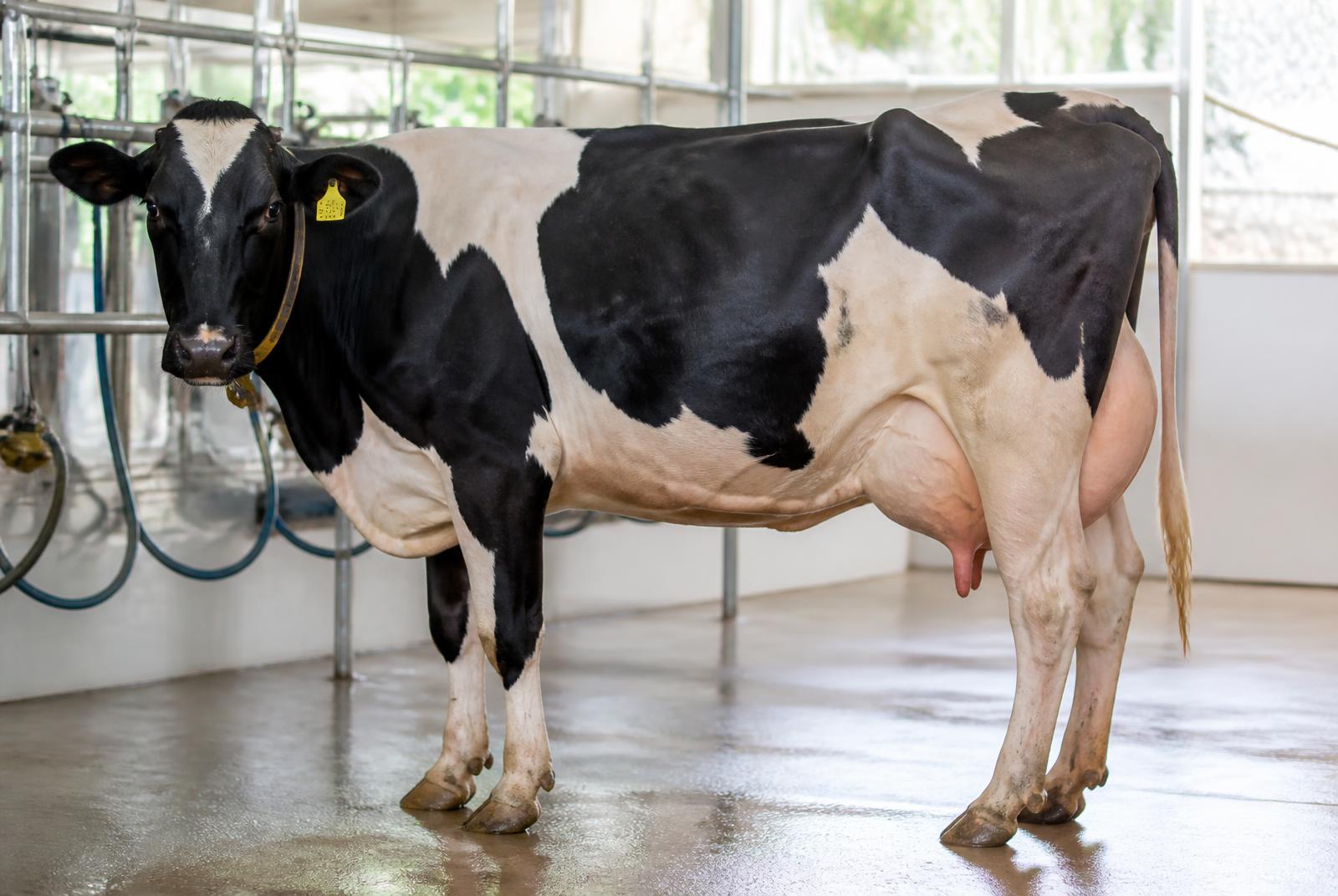
Milk-fever risk climbs with yield, age and parity. A high-producing crossbred or Holstein cow in her third or later lactation secretes far more colostrum, so calcium outflow is greater — while her bone reserves and gut absorption efficiency have already declined. Over-conditioned cows (body condition score above 3.5) eat less around calving, which compounds the deficit. Jersey cows are also known to have fewer Vitamin D receptors in the intestine, making the breed inherently more prone.
Importance of calcium, phosphorus and Vitamin D3
These three nutrients work as one system, not three separate supplements. Calcium powers muscle contraction — of the legs, the uterus and the teat sphincter. Phosphorus supports energy metabolism and skeletal strength, and a wide calcium-to-phosphorus imbalance (ideally kept near 2:1 in lactation) impairs the use of both. Vitamin D3 is the switch: it drives active calcium and phosphorus absorption from the intestine and mobilisation from bone. Magnesium is the silent fourth partner, since hormone release fails without it.
Nutritional management before and after calving
- Last 3 weeks before calving: keep dietary calcium controlled, avoid lush high-potassium green fodder and legumes, and ensure adequate magnesium.
- Consider anionic salts or a negative DCAD approach in close-up cows under veterinary guidance, and monitor urine pH to confirm it is working.
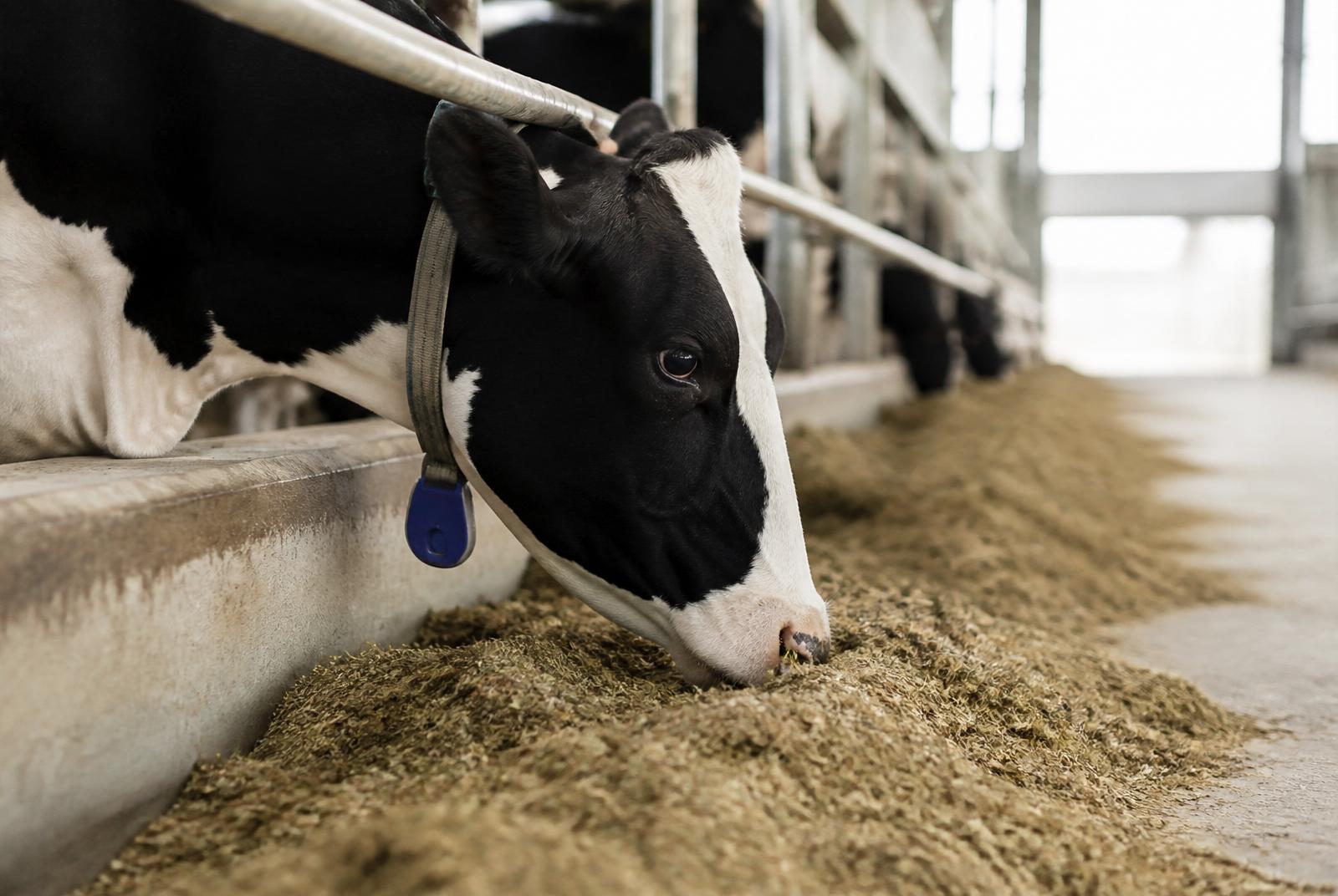
- Protect dry-matter intake — clean water, comfortable bedding, shade and no overcrowding at the feed bunk.
- At and immediately after calving: give oral calcium supplementation to bridge the gap, plus energy support to prevent ketosis.
- First 30 days of lactation: supply a balanced calcium-phosphorus-Vitamin D3 supplement with adequate mineral mixture for continuous milk output.
- Keep body condition score between 3.0 and 3.5 at dry-off; fat cows are milk-fever candidates.
Preventive supplementation strategies
- Oral calcium at calving: a bolus or gel at calving and again 12–24 hours later covers the highest-risk window in third-lactation and older cows.
- Liquid calcium supplementation through peak lactation to match sustained output.
- Daily area-specific mineral mixture to correct chronic phosphorus, magnesium, zinc and copper gaps that make calcium therapy less effective.
- Energy and liver support around calving, since negative energy balance and fatty liver delay every recovery.
- Record every case with cow number, parity and date — a herd pattern tells you whether the dry-cow ration, not the individual cow, is the real problem.
AlimentosX offers calcium, phosphorus and Vitamin D3 supplementation in liquid, bolus and gel forms, together with mineral mixtures, energy tonics and liver support formulated for the transition period. Speak to your veterinarian to build a protocol suited to your herd.
Nutrition support
AlimentosX formulates calcium, mineral mixture, energy, liver and toxin-control solutions across liquids, powders, gels and boluses for every species covered here.
Explore products