
Knowledge Hub
Field notes on animal health & nutrition
Practical, science-backed reading for dairy farmers, goat and sheep keepers, poultry producers and piggery owners — written the way decisions are actually made on farm.
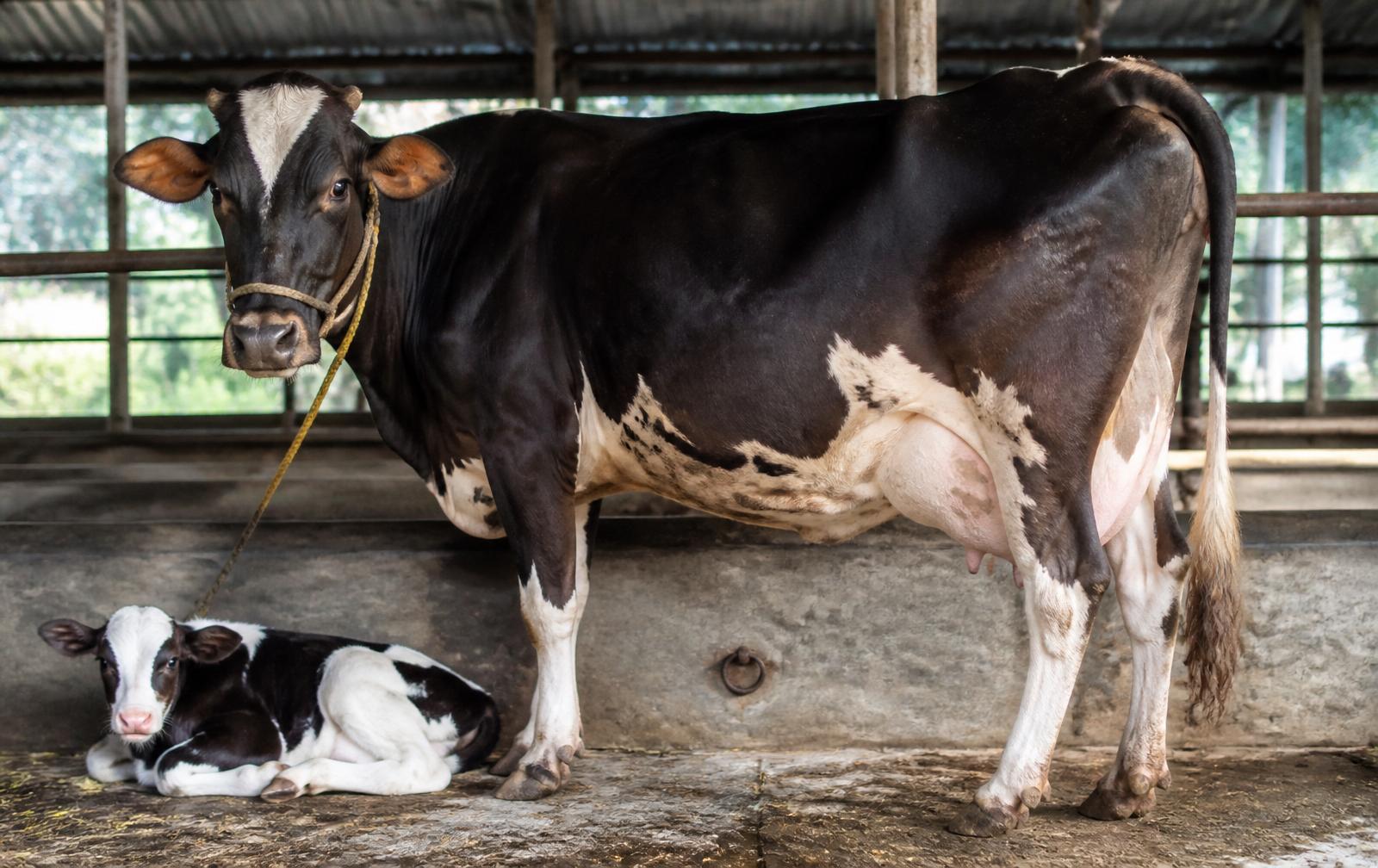
Milk Fever in Dairy Cattle: Causes, Symptoms, Prevention & Management
Hypocalcaemia strikes within hours of calving and quietly drains a lactation. Here is how to read the early signs and build a transition-period plan that prevents it.
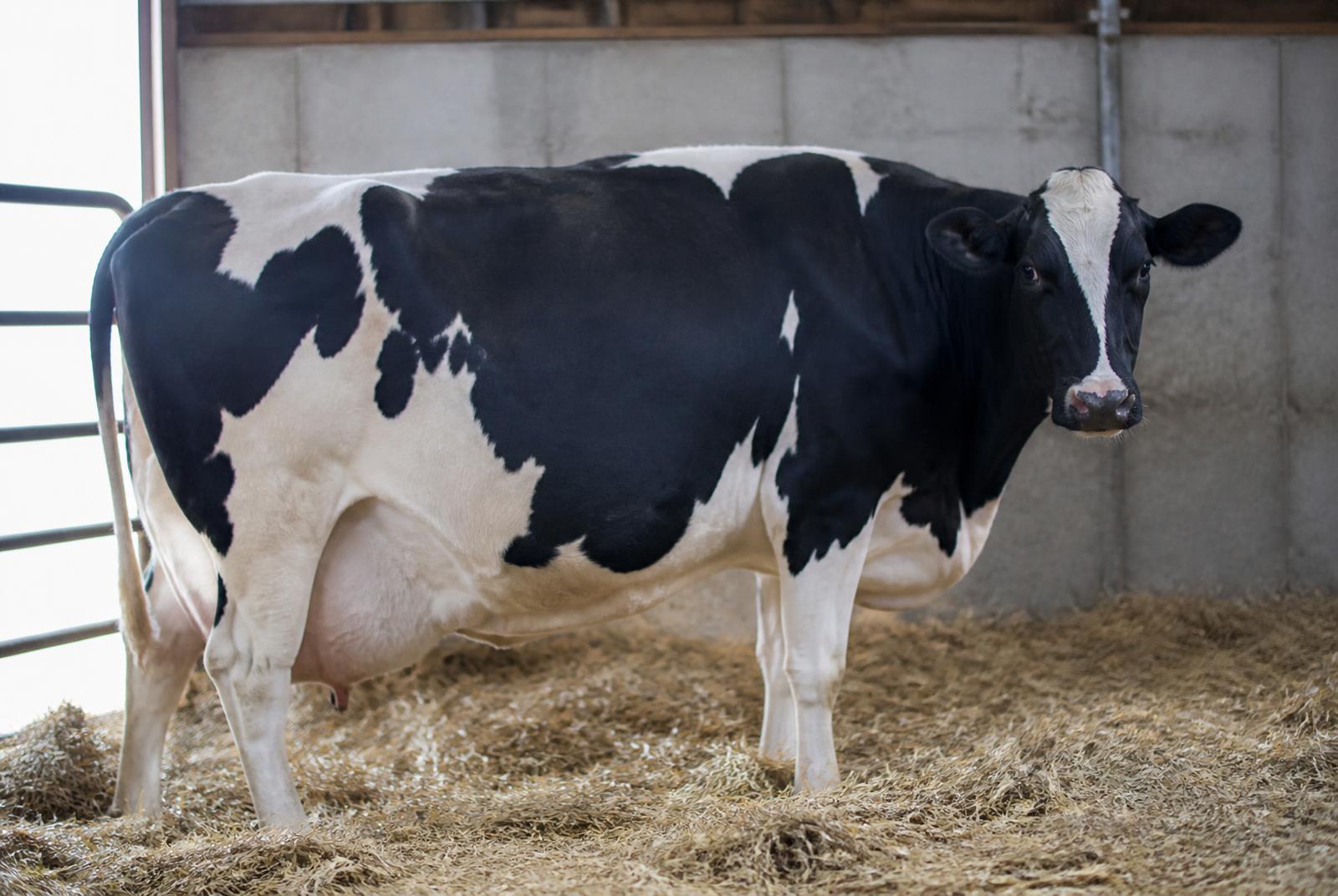
The Transition Period in Dairy Animals: The Most Critical 21 Days
Three weeks before calving to three weeks after decides the whole lactation. A practical guide to nutrition, calcium, energy balance, liver support and a smooth post-calving recovery.
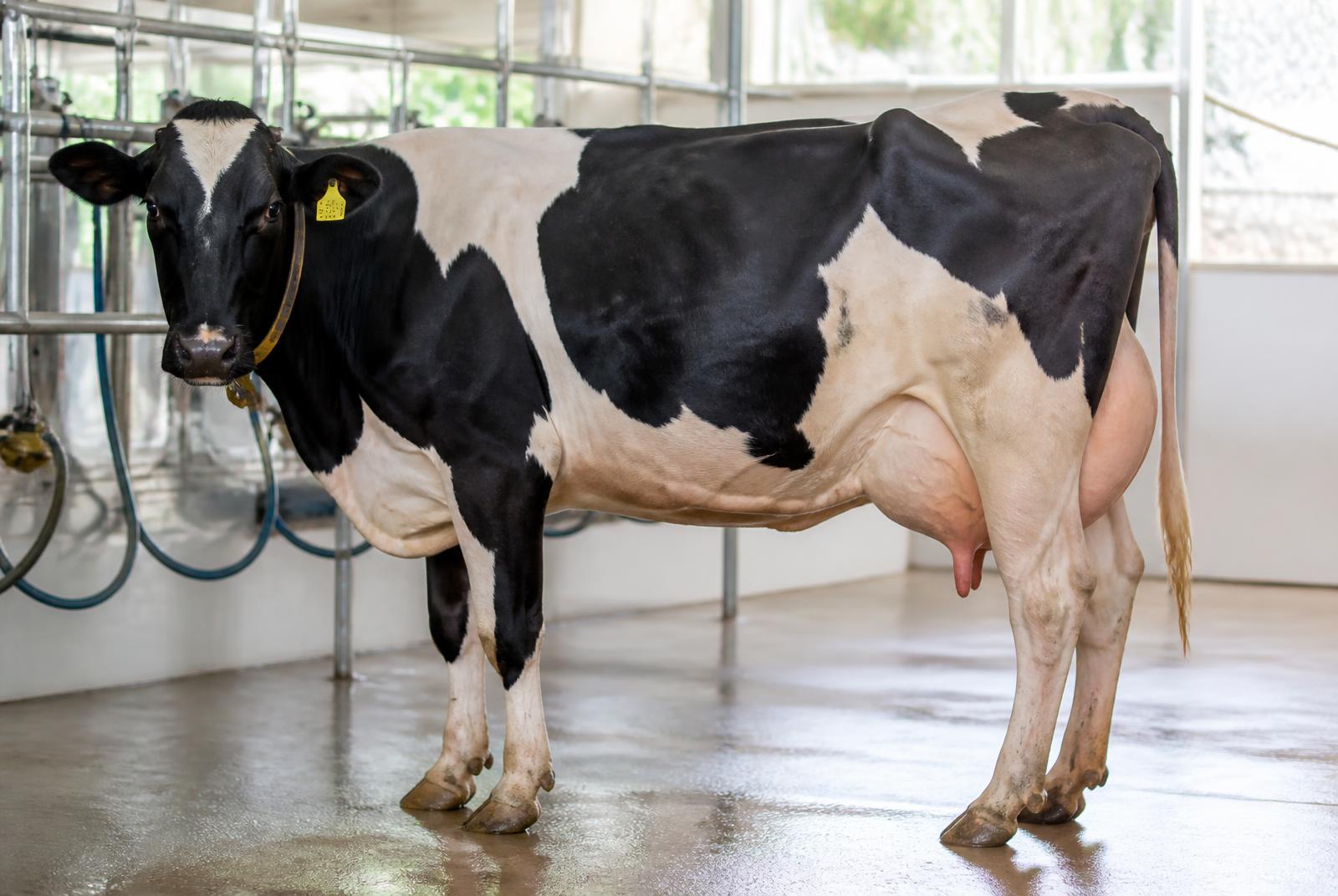
Why Calcium Supplementation Is Essential for High-Producing Dairy Cows
Calcium drives bone strength, muscle function, milk let-down and fertility. Here is how calcium metabolism works in a high-yielding cow — and which delivery system to use when.
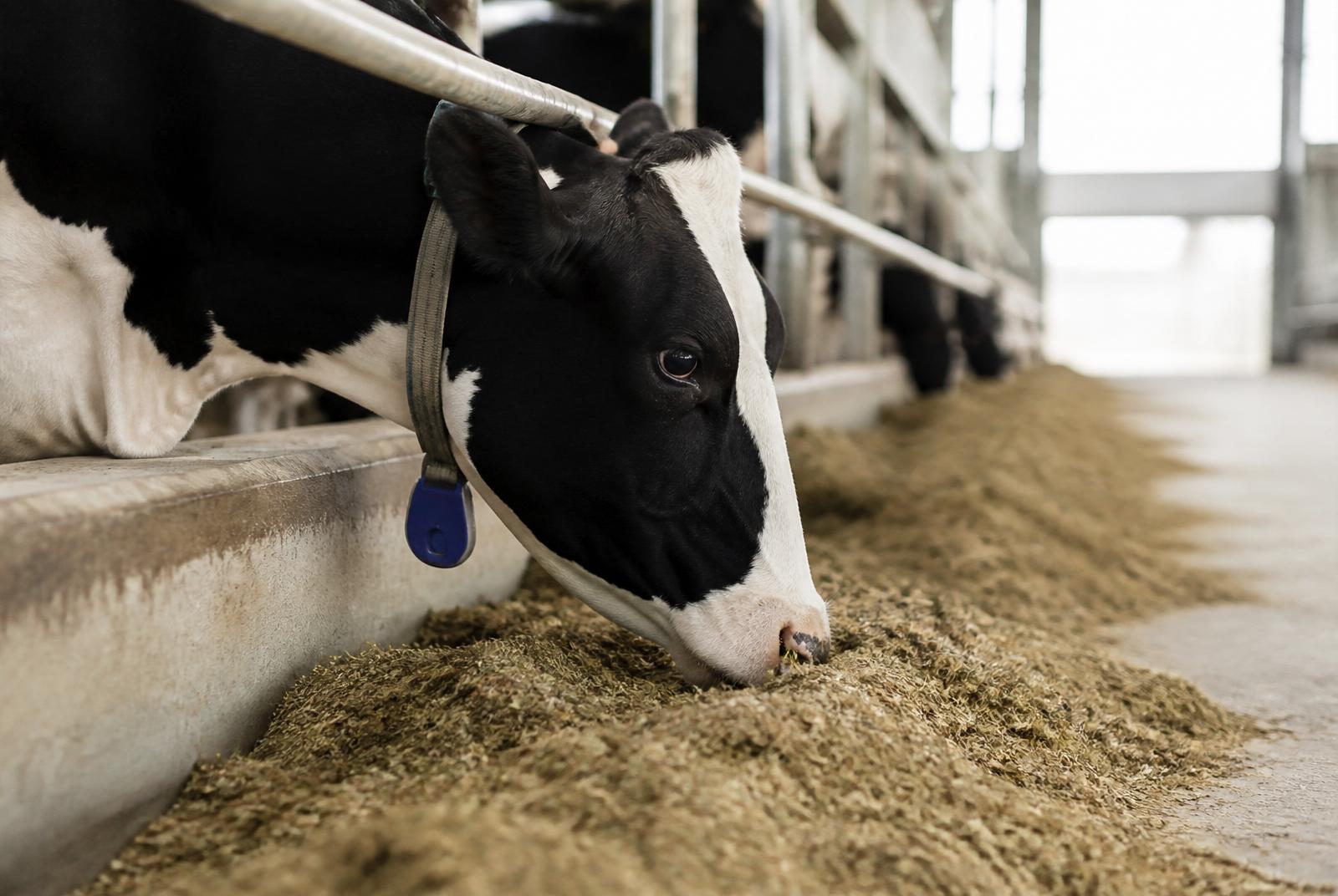
Ketosis in Dairy Cattle: Early Detection Can Save Your Milk Yield
Most ketosis never looks dramatic — it quietly removes two to three litres a day. Understand negative energy balance, liver overload and glucose precursors, and catch it in the first fortnight.
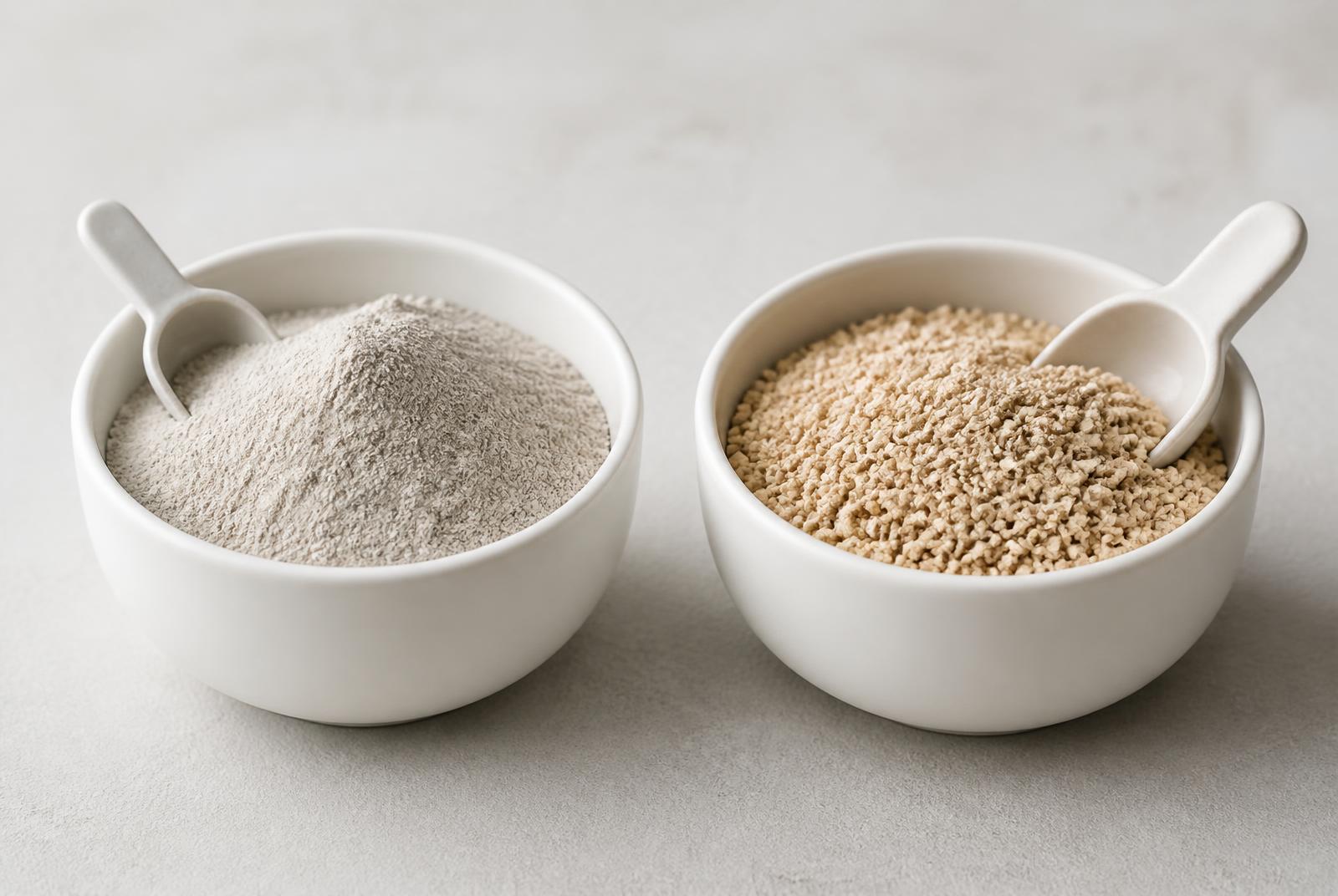
Chelated Minerals vs Inorganic Minerals: Which Is Better for Livestock?
Two supplements can carry the same label percentage and deliver very different results. A practical comparison of absorption, bioavailability and the production outcomes that follow.
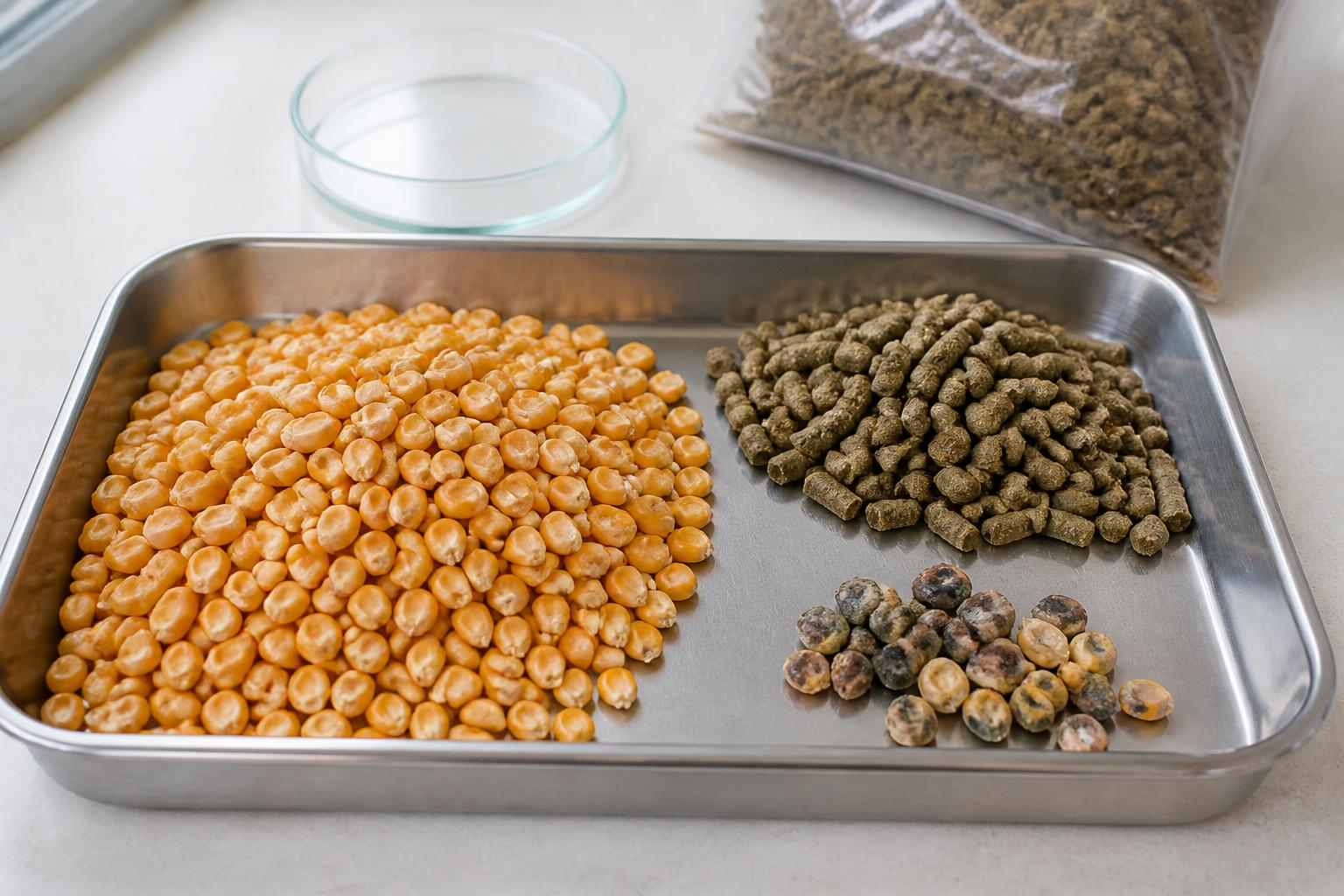
Mycotoxins in Animal Feed: An Invisible Threat to Farm Profitability
Mould toxins do not always show on the feed or on the animal. They quietly cut intake, damage the gut and liver, depress immunity and pull down milk yield — long before anyone suspects the feed.
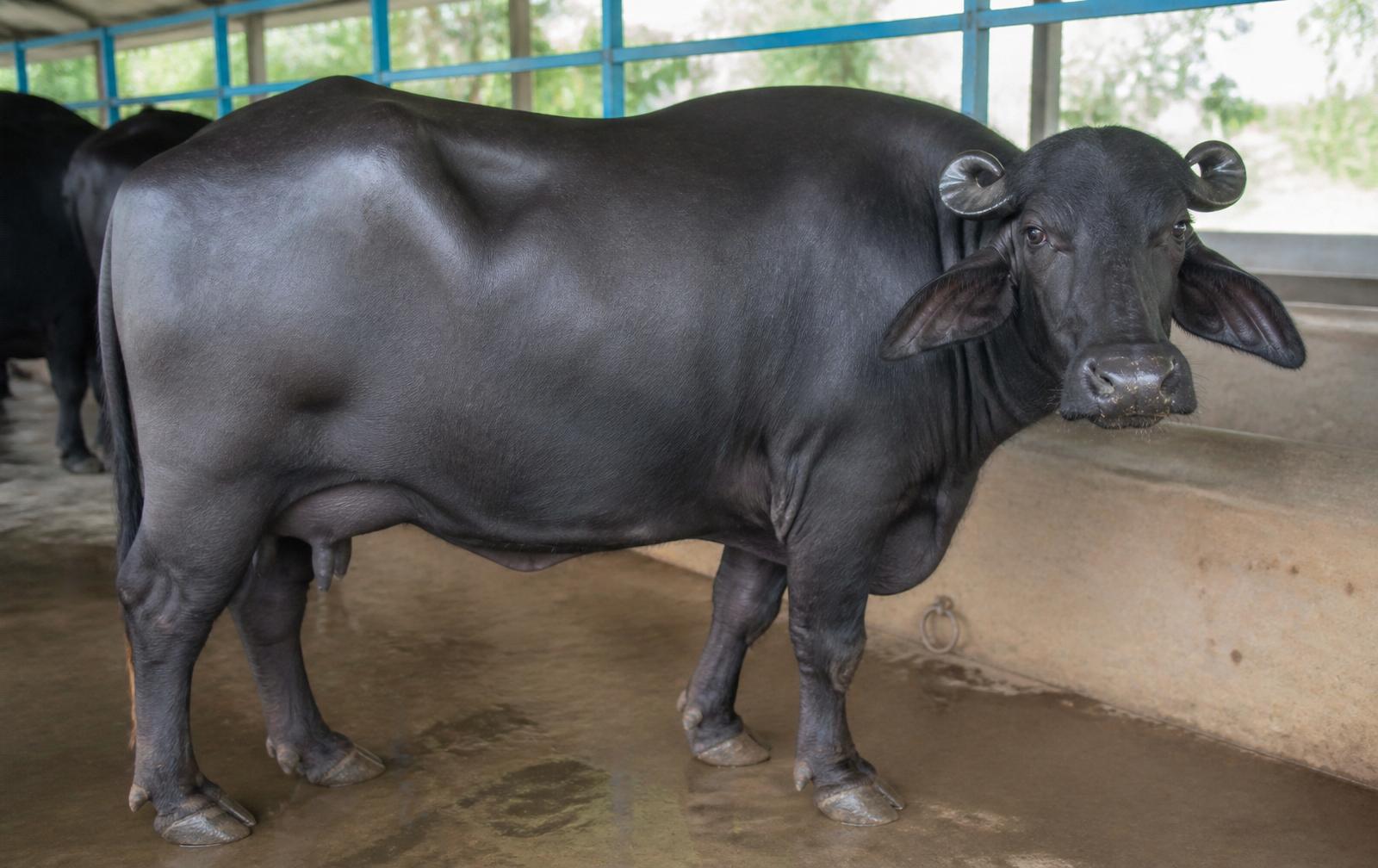
Buffalo Milk Let-Down & Udder Health: A Practical Farm Guide
Buffaloes are slower to let down milk and quieter about udder pain. Small changes in milking routine, mineral status and hygiene protect both yield and fat percentage.

Equine Nutrition: Feeding for Stamina, Topline & Hoof Health
Horses are hindgut fermenters with a small stomach. Forage-first feeding, steady electrolytes and targeted minerals do more for performance than any single tonic.
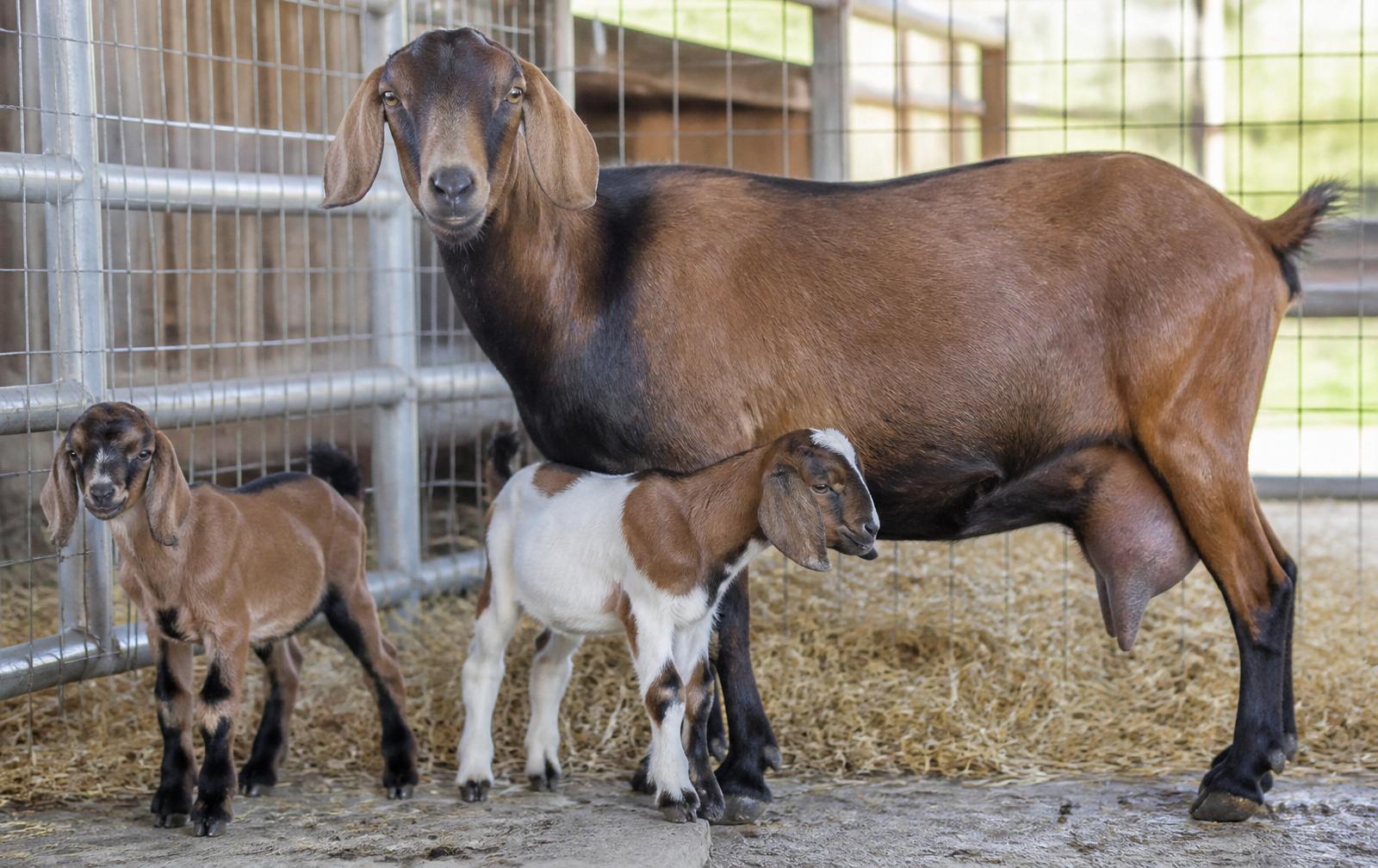
Goat Farming: Kid Growth, Doe Nutrition & Preventing Weak Kids
Most kid losses trace back to the last month of pregnancy and the first six hours of life. A simple colostrum-and-minerals discipline changes flock economics.
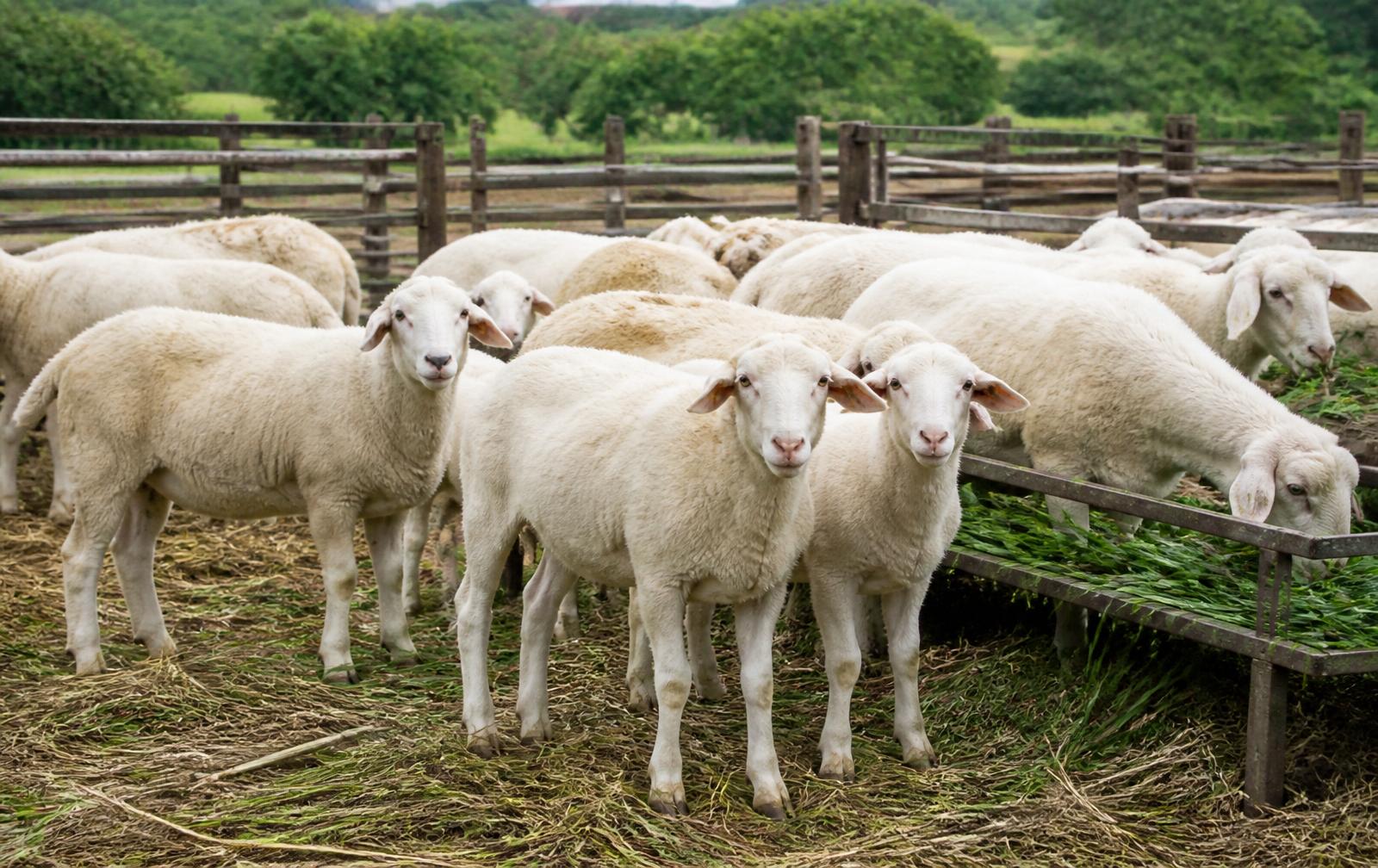
Sheep Flock Health: Mineral Nutrition, Wool Quality & Body Score
Sheep hide deficiency well and then lose condition all at once. Body condition scoring plus a species-correct mineral plan keeps lambing percentages steady.
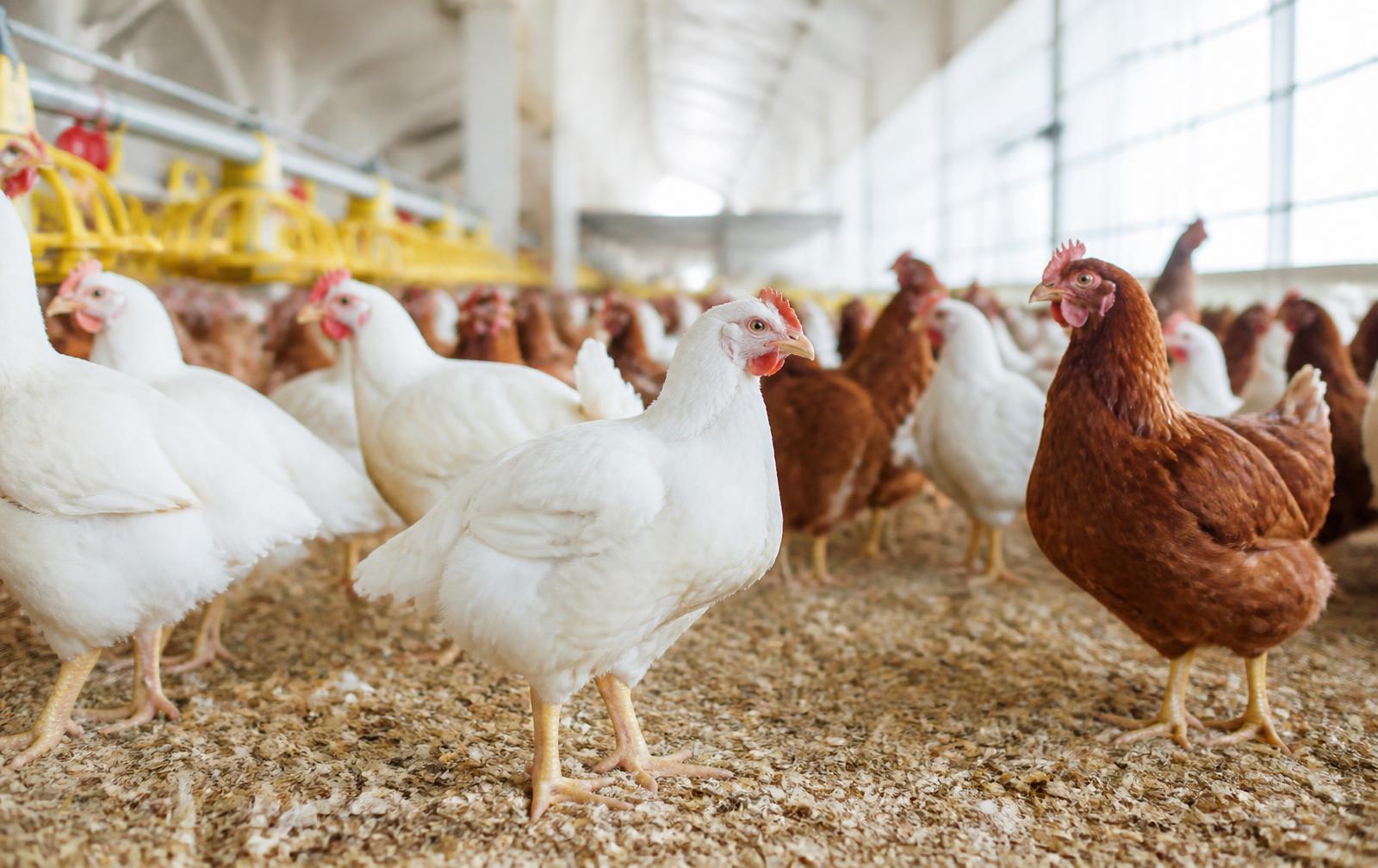
Poultry Gut Health: Managing Mycotoxins, Heat Stress & Shell Quality
In birds, the gut is the immune system. Toxin control, mineral balance and water management decide feed conversion and egg-shell strength far more than any single additive.
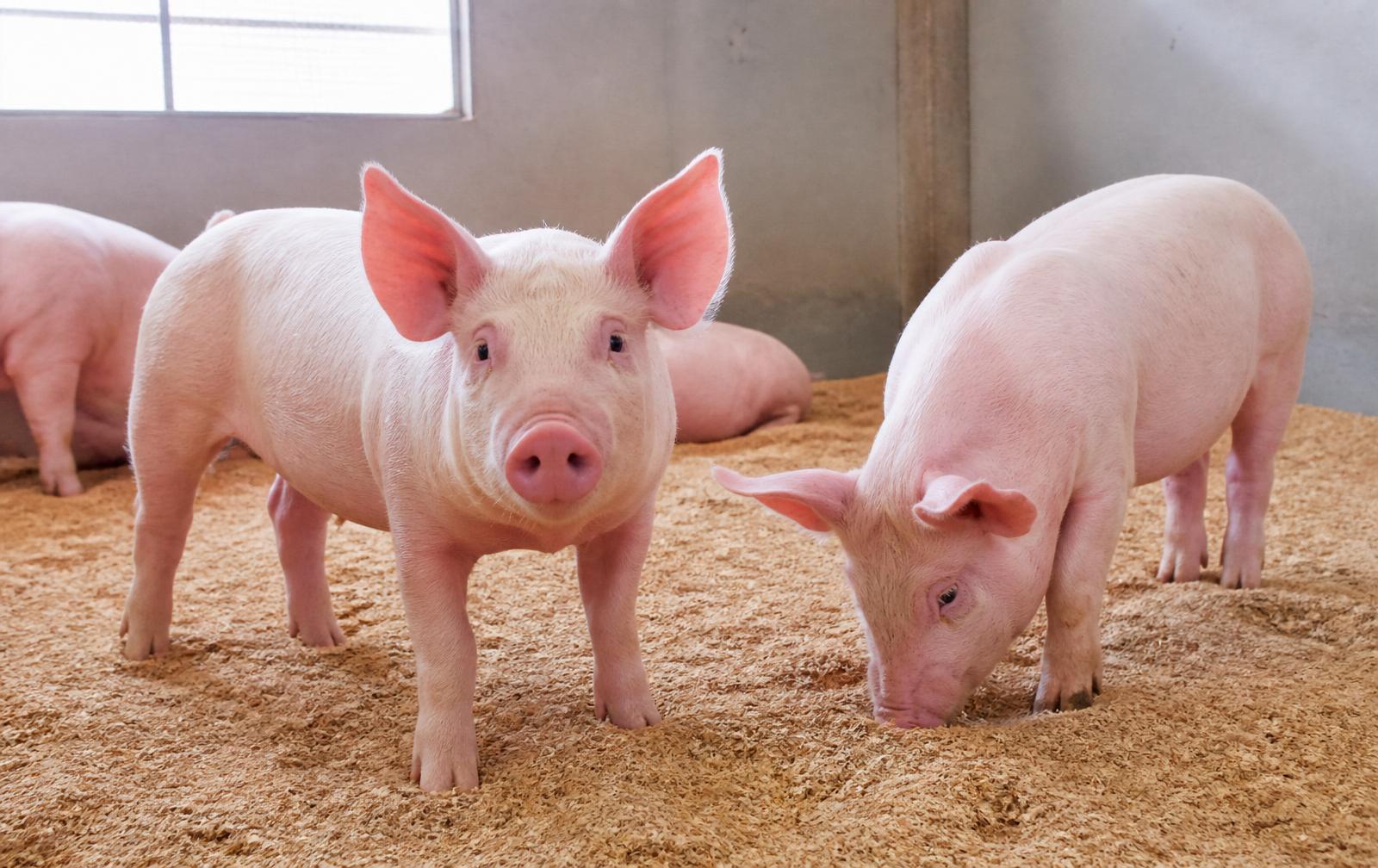
Swine Nutrition: Feed Conversion, Sow Productivity & Piglet Survival
Pigs convert feed efficiently only when amino acids, minerals and water are right. Here is where most small and mid-size piggeries lose growth without noticing.
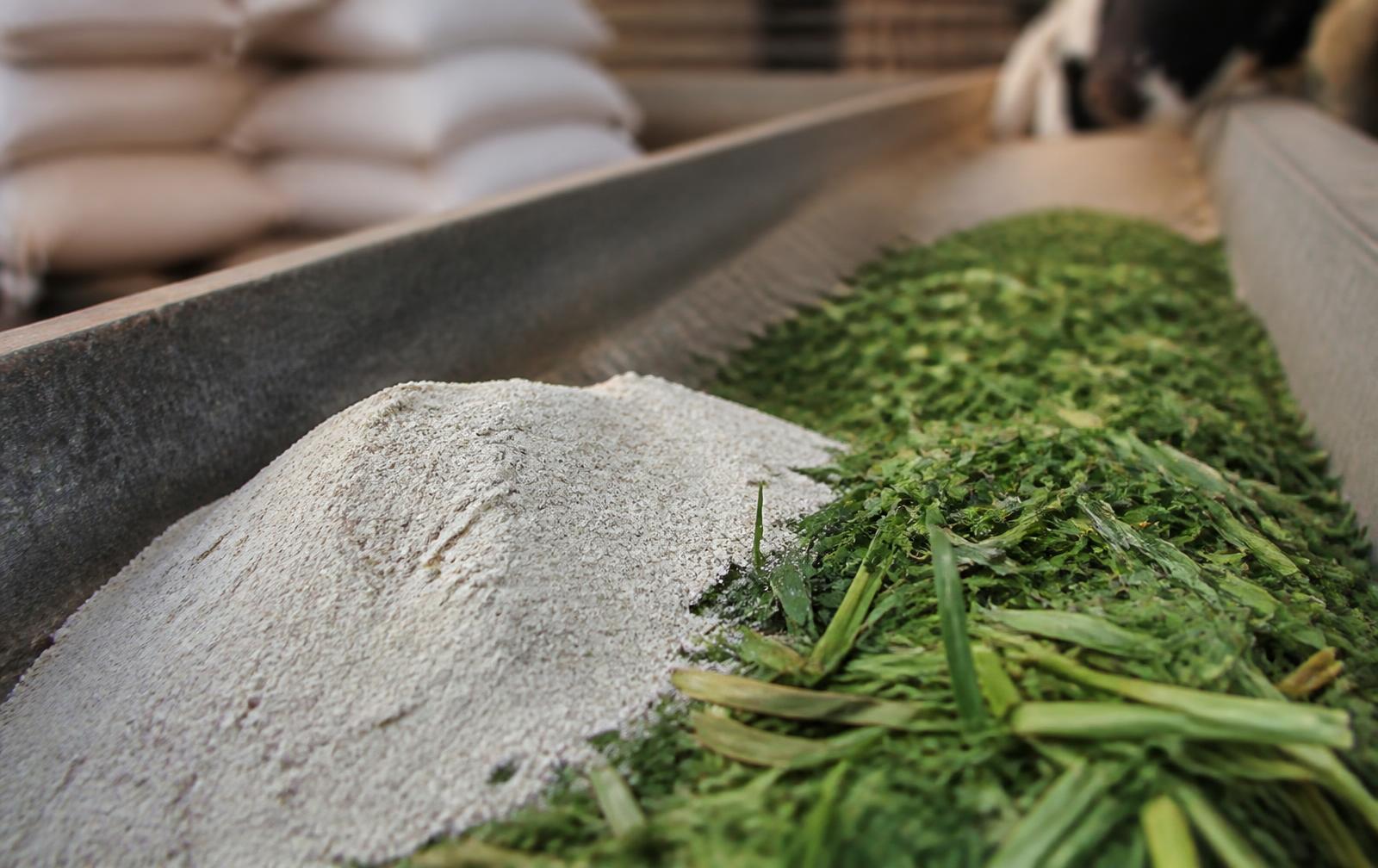
Why Area-Specific Mineral Mixture Outperforms Generic Supplements
Soil decides fodder mineral content, and fodder decides animal status. Matching the supplement to your region — and your species — is what makes it work.
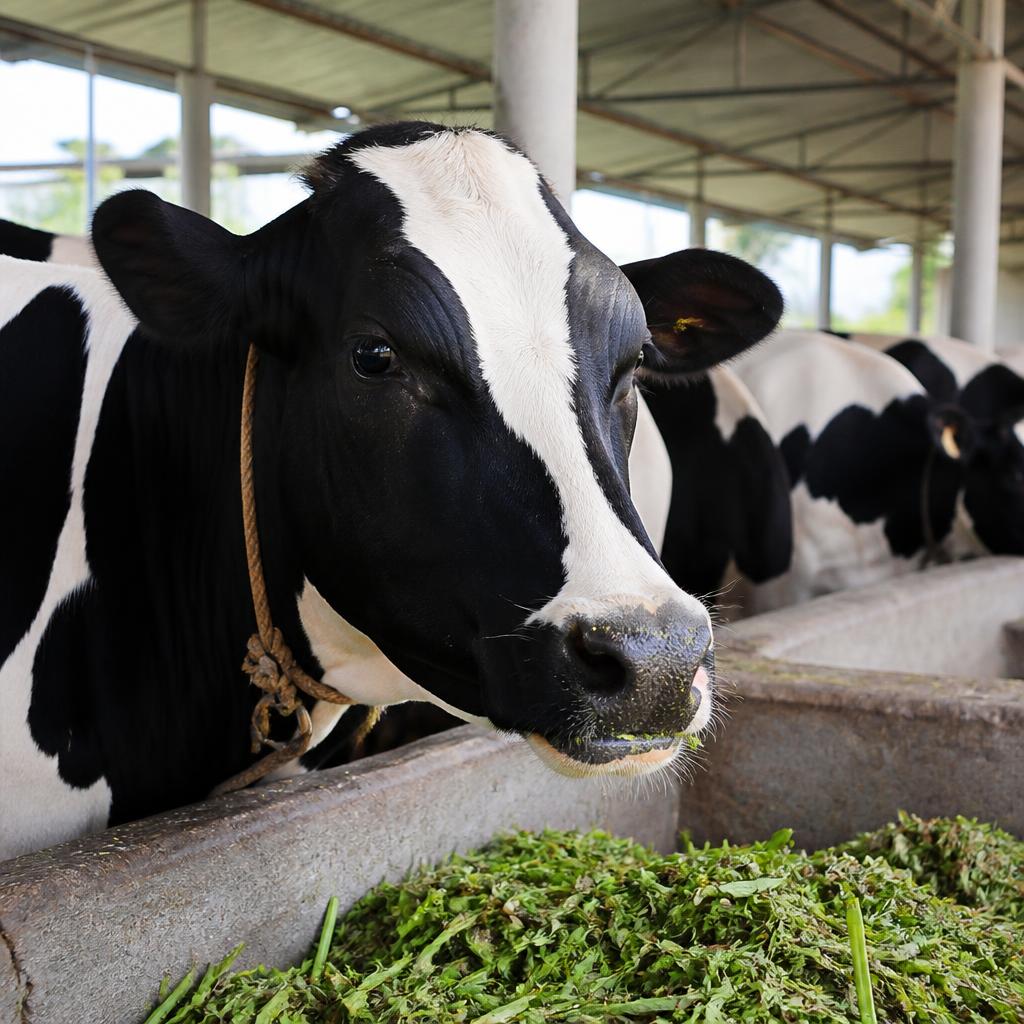
Rumen Health: Why Every Dairy Farmer Should Care
A healthy rumen is the engine of milk production. Learn how rumen pH, acidosis, microbial balance, and smart buffering translate into better feed efficiency and milk fat.
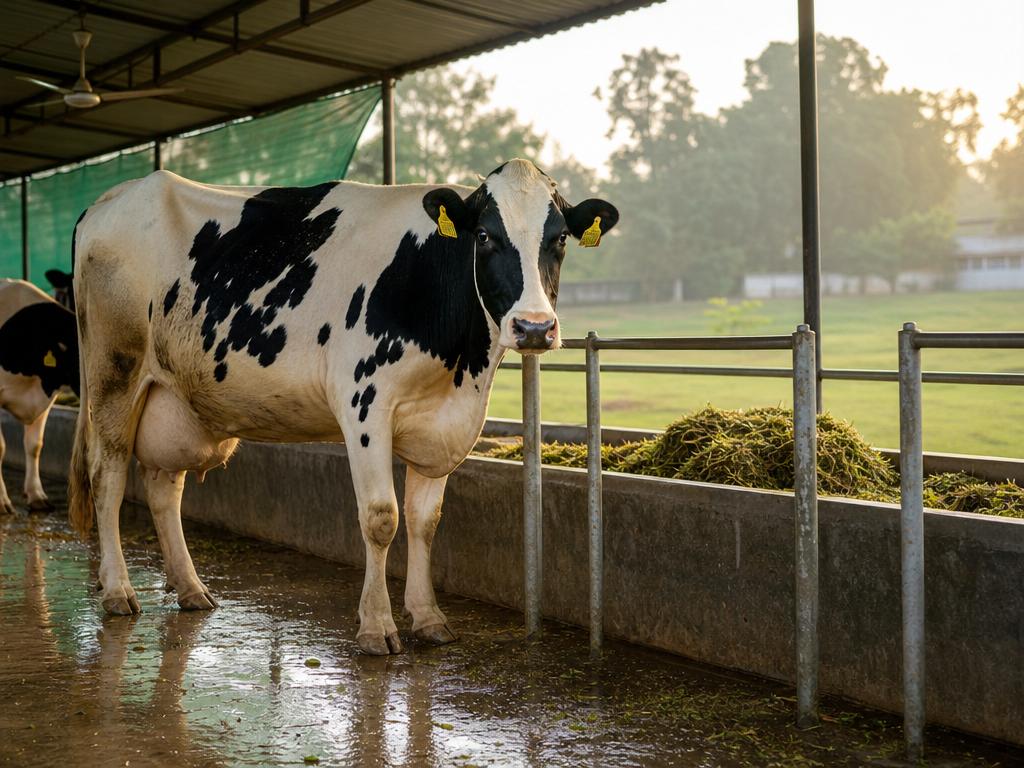
How Vitamins Improve Dairy Animal Productivity
Vitamins are the silent drivers of immunity, fertility, growth, and milk quality in dairy animals. Learn which vitamins matter most and how they translate into farm-level profit.
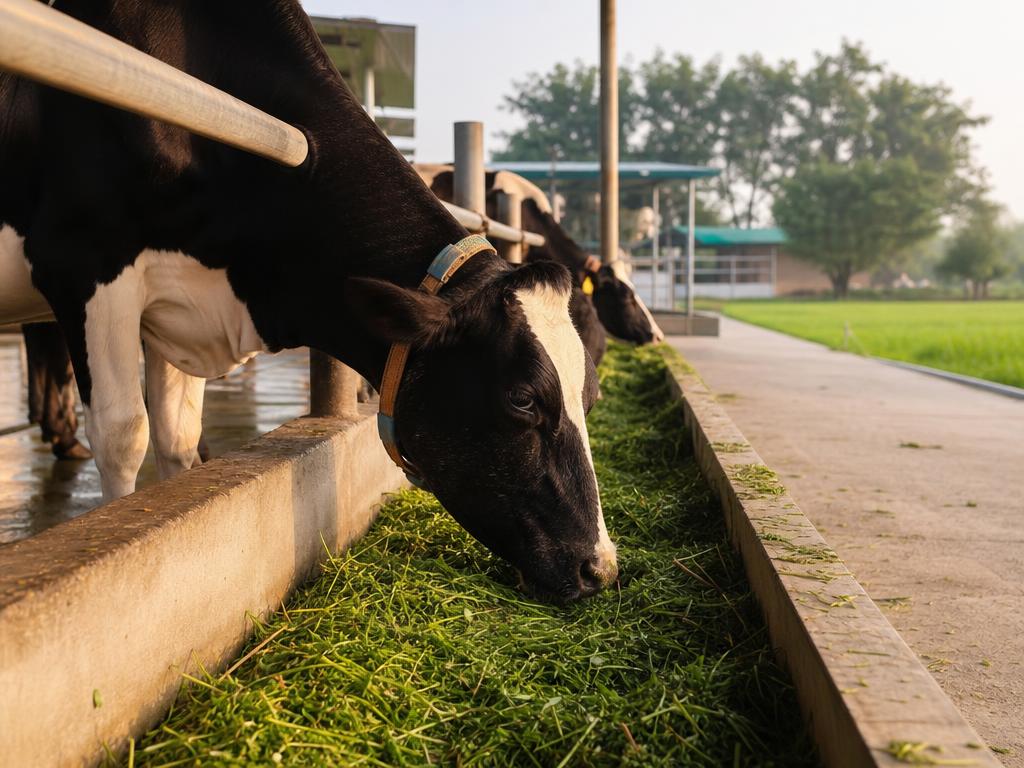
Building a Healthy Dairy Herd Through Proper Mineral Nutrition
Macro minerals, micro minerals, electrolytes and chelated minerals each play a distinct role in herd health. Learn how to spot deficiencies and build a practical supplementation schedule for long-term productivity.