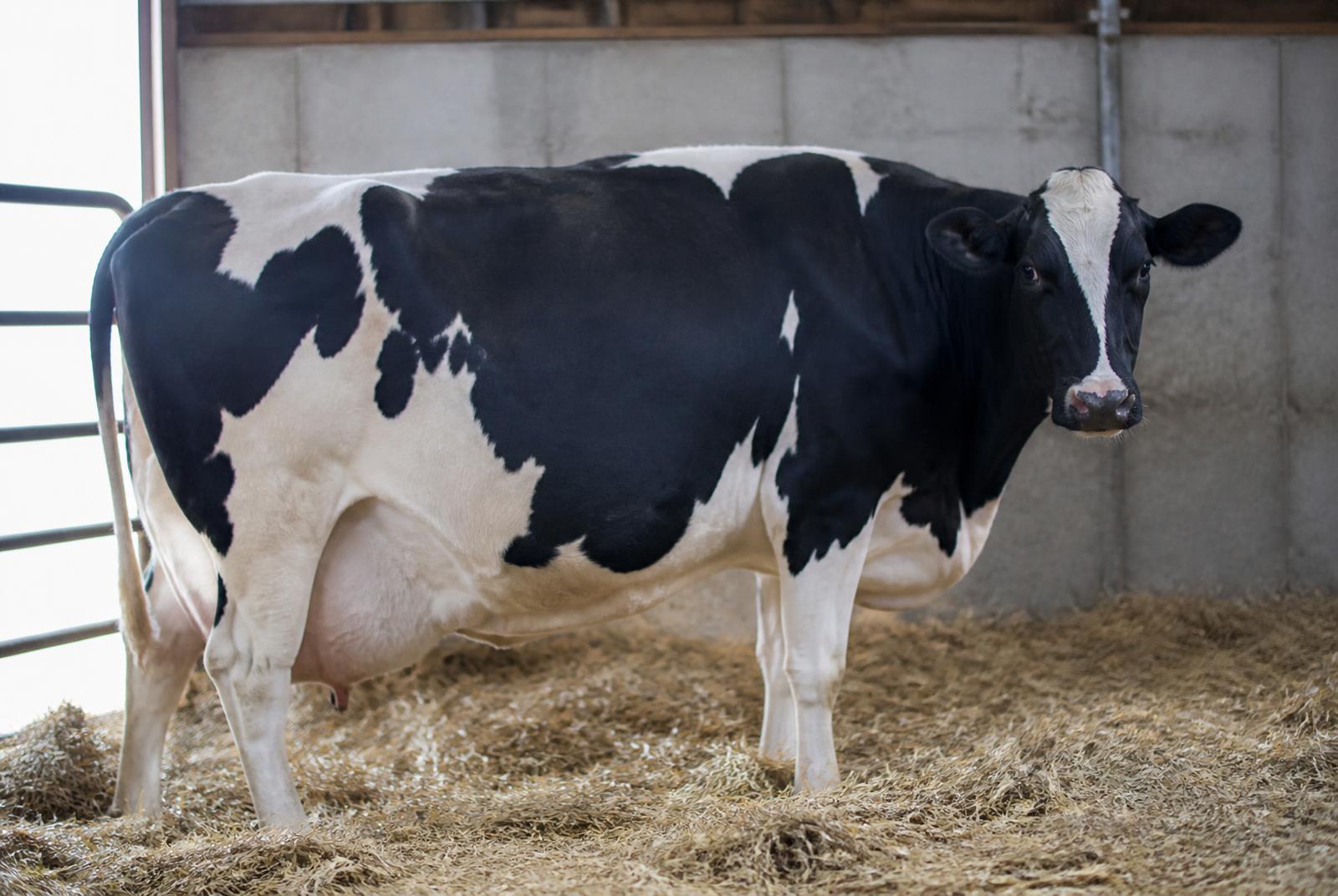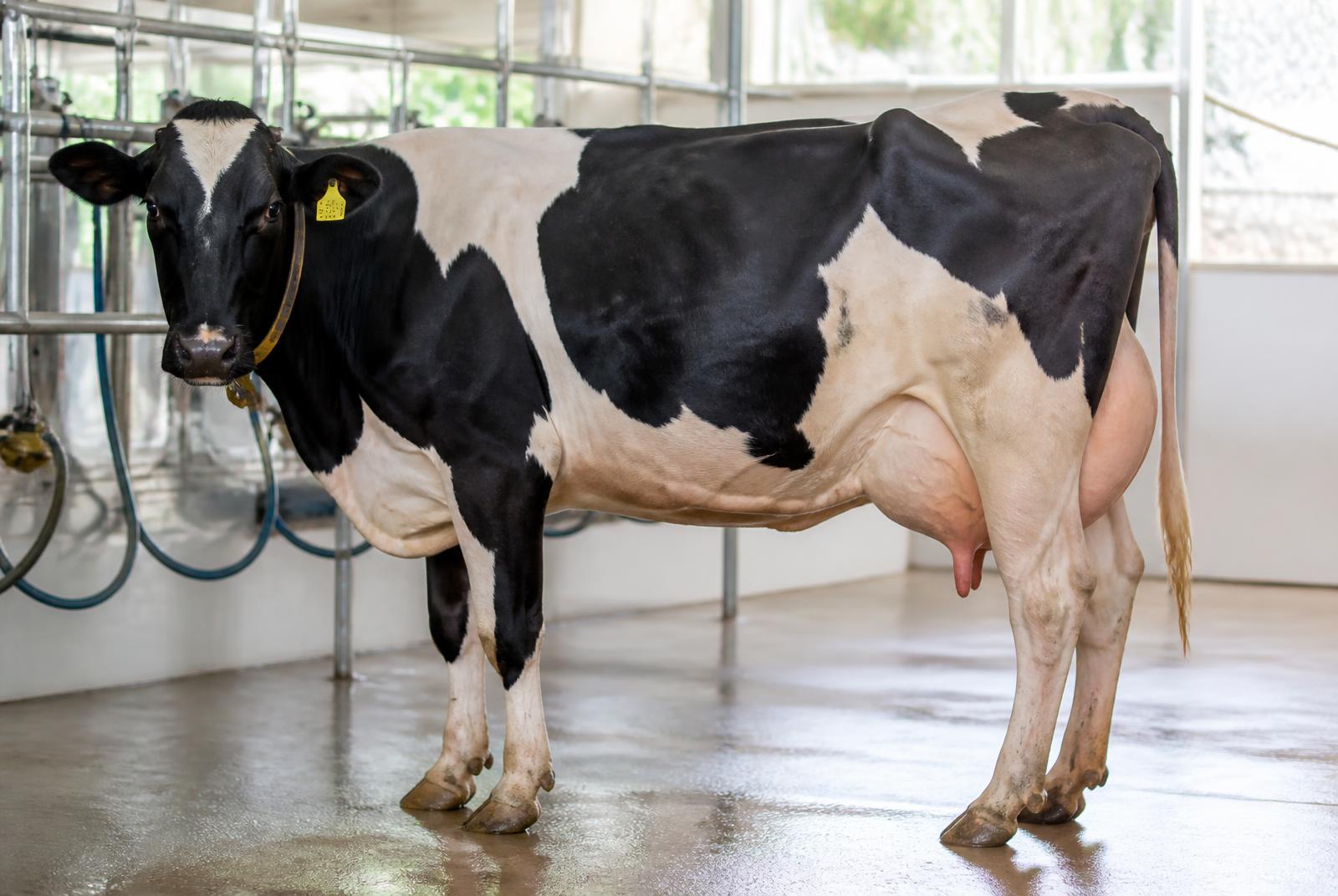
Why Area-Specific Mineral Mixture Outperforms Generic Supplements
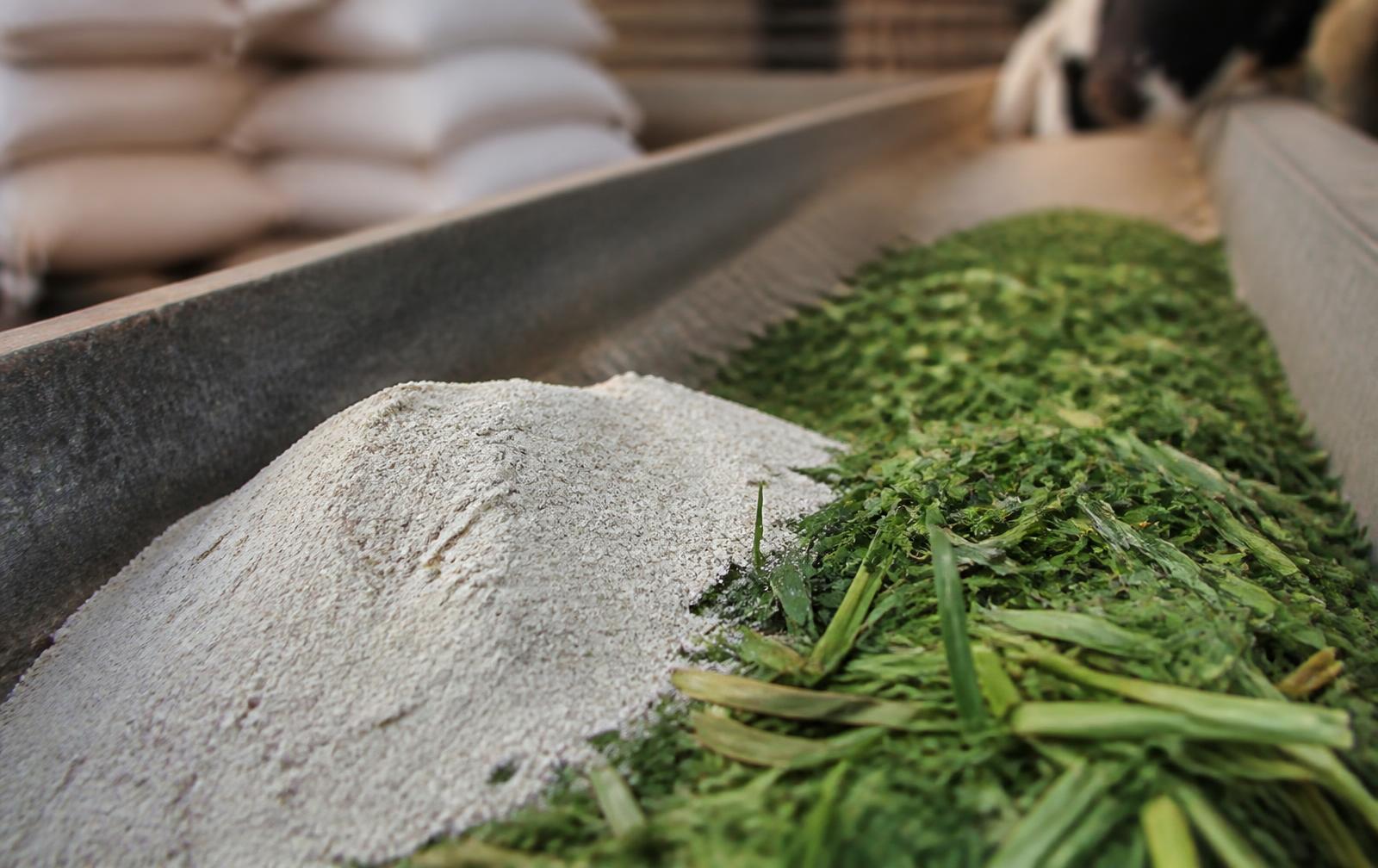
Soil decides fodder mineral content, and fodder decides animal status. Matching the supplement to your region — and your species — is what makes it work.
From soil to animal
Minerals in fodder mirror the soil it grew in. Deficiencies and excesses are therefore regional, and the same generic mineral mixture cannot correct a phosphorus-deficient belt and a high-molybdenum belt at the same time.
Signs of chronic mineral imbalance
- Repeat breeding, silent heat and low conception rates.
- Licking soil, walls or other animals (pica).
- Rough coat, poor growth in young stock and stiff joints.
- Retained placenta and frequent post-calving complications.
- Poor response to otherwise correct calcium or energy supplementation.
Interactions decide bioavailability
High dietary molybdenum and sulphur lock up copper. Excess calcium reduces zinc absorption. A wide calcium-to-phosphorus ratio impairs both. This is why total mineral quantity matters less than the balance and the source form used.
Practical feeding rules
- Feed the mineral mixture daily, mixed into feed — not occasionally as a treatment.
- Never feed cattle-specification mineral mixtures to sheep because of copper sensitivity.
- Use species- and stage-specific products for milking, growing and pregnant animals.
- Store in a dry closed container; moisture degrades vitamins and cakes the powder.
- Review the plan annually with your veterinarian as fodder sources change.
Nutrition support
AlimentosX formulates calcium, mineral mixture, energy, liver and toxin-control solutions across liquids, powders, gels and boluses for every species covered here.
Explore products