The Transition Period in Dairy Animals: The Most Critical 21 Days
Three weeks before calving to three weeks after decides the whole lactation. A practical guide to nutrition, calcium, energy balance, liver support and a smooth post-calving recovery.
Introduction
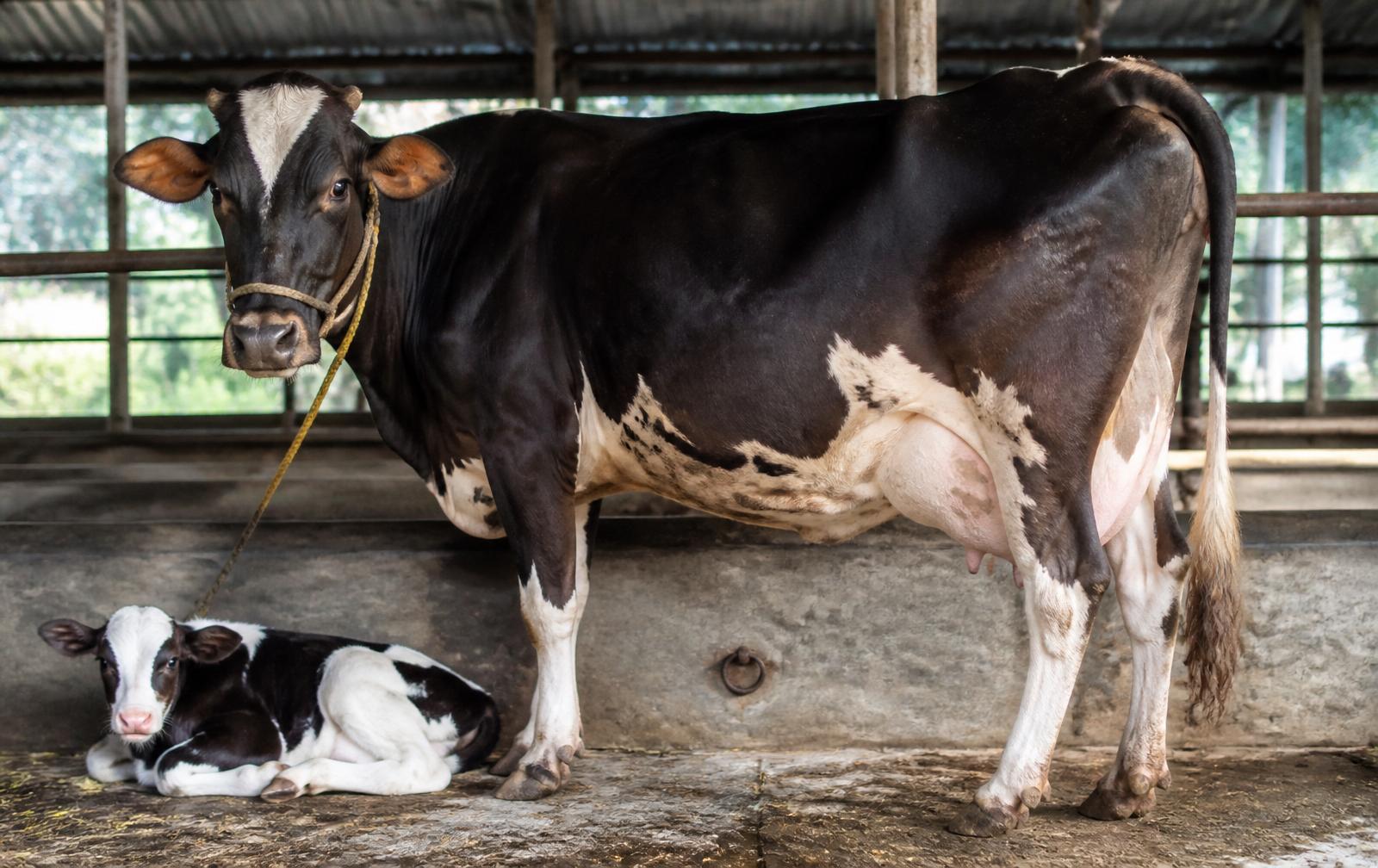
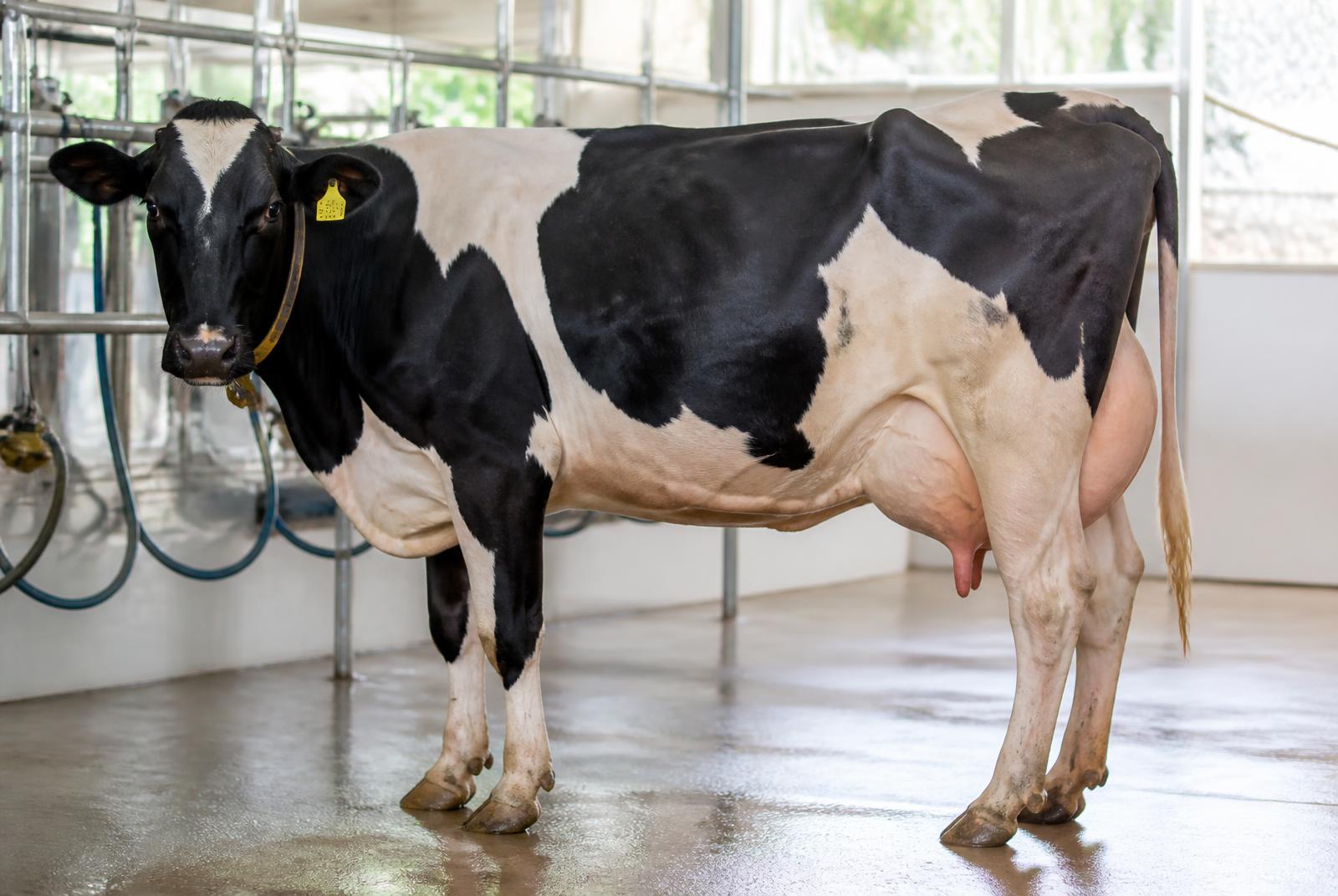
The transition period — from three weeks before calving to three weeks after — is the most challenging phase in a dairy animal's life. In these 42 days the cow or buffalo moves from carrying a rapidly growing calf on a low-nutrient dry ration to producing large volumes of milk on an intake that has not yet recovered. What is fed and how the animal is managed in this window determines peak milk yield, the chance of conceiving on time, and long-term herd health.
Almost every fresh-cow disorder — milk fever, ketosis, retained placenta, displaced abomasum, metritis, mastitis — traces back to decisions made in these three weeks before calving. Farms that manage the transition well see fewer treatments, higher peaks and better fertility without changing anything else.
Nutritional changes: preparing the rumen and the animal
- Introduce a share of the lactation ration in the last 21 days so rumen papillae and microbes adapt gradually to higher grain.
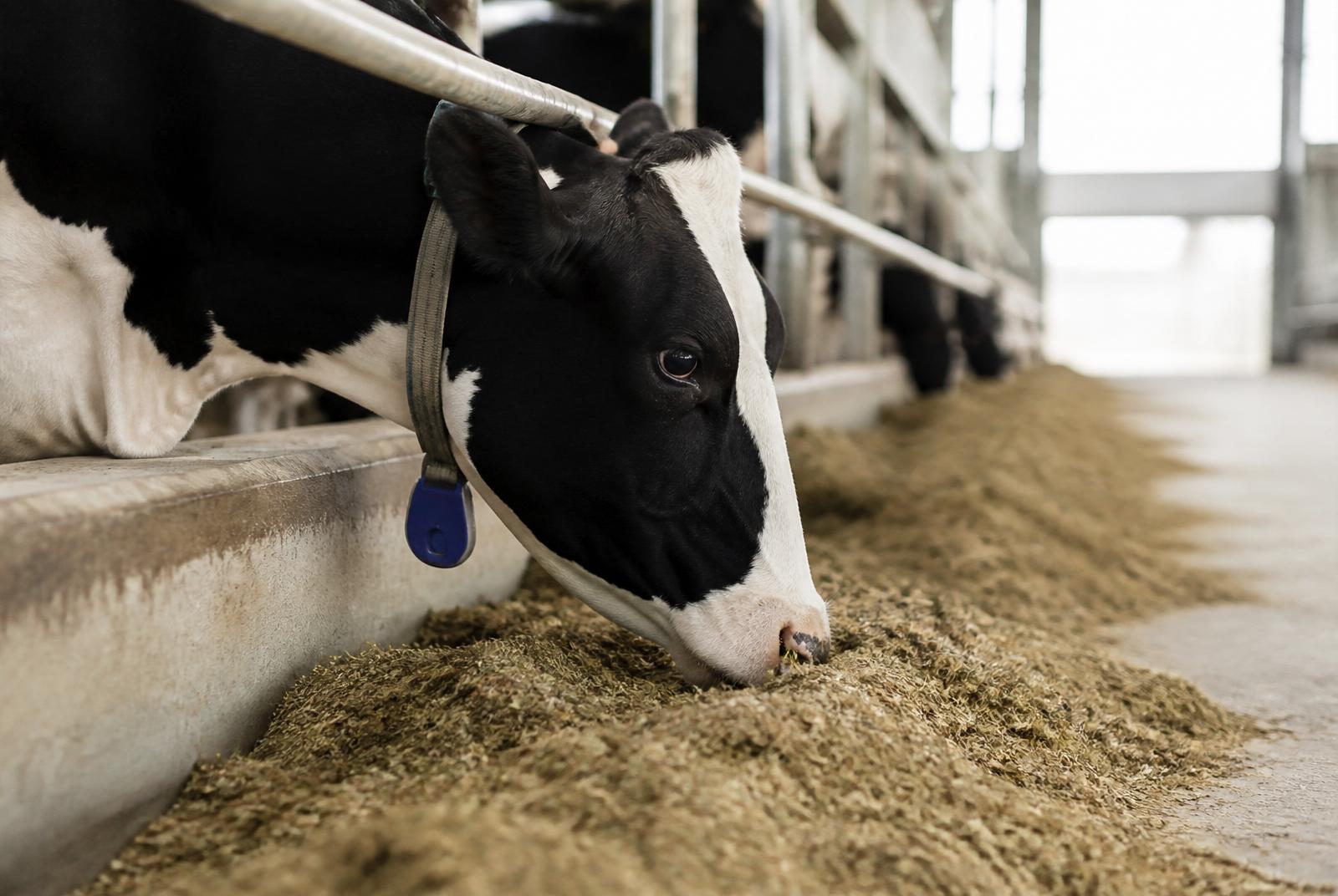
- Keep dry matter intake up: fresh feed twice daily, clean water within easy reach, and 75–80 cm of bunk space per animal.
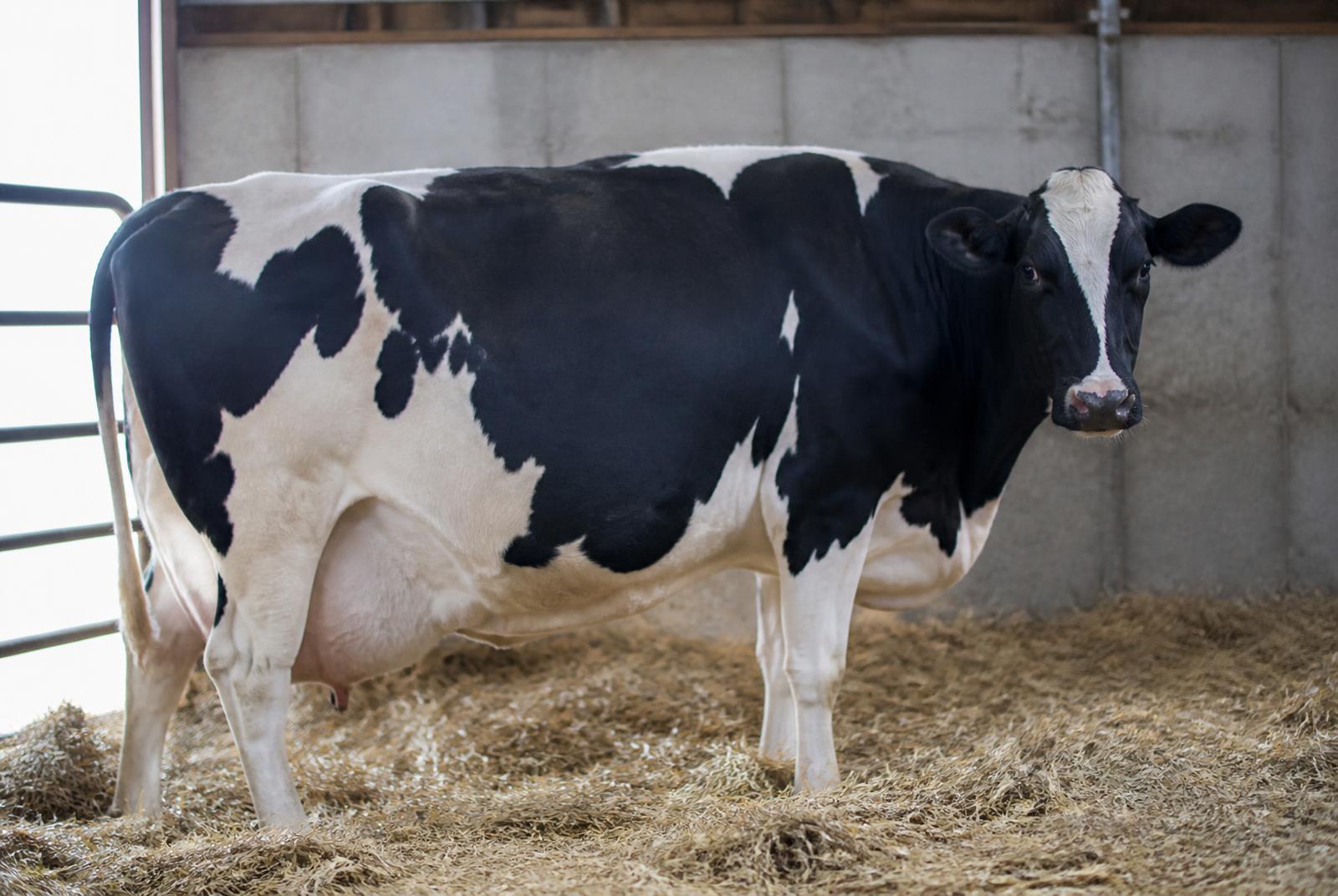
- Do not over-condition dry animals. A body condition score of 3.0–3.25 at calving is ideal; fat animals eat less and mobilise more fat.
- Protect protein supply — adequate bypass protein in the close-up ration supports colostrum, uterine repair and early milk.
- Correct trace minerals and vitamins (zinc, copper, selenium, Vitamin E, Vitamin A) well before calving; they underpin immunity and placental release.
- Avoid abrupt feed changes, mouldy silage and sudden group shifts in the final week.
Calcium demand: the sharpest change of all
At calving, colostrum can pull more calcium out of the blood in 24 hours than the entire circulating pool holds. The animal must switch on bone and intestinal calcium mobilisation almost overnight, and that switch is hormonal — parathyroid hormone acting with active Vitamin D3, and it will not work without adequate magnesium.
- Keep dry-period calcium moderate rather than high, so the mobilisation machinery stays primed instead of idle.
- Control potassium and use an anionic (negative DCAD) close-up ration where possible to sharpen the calcium response.
- Ensure magnesium is adequate every day of the dry period — it is the most commonly missed link in hypocalcaemia.
- Give oral calcium at calving and again 12–24 hours later in third-lactation and older animals, and in any animal with a history of milk fever.
- Continue calcium with phosphorus and Vitamin D3 through early lactation to match sustained output.
Subclinical hypocalcaemia is far more common than the cow that goes down — it shows up instead as poor appetite, a slack uterus and a cow that never quite reaches her peak.
Energy balance: the negative energy gap
Milk output rises much faster than appetite after calving, so almost every high-yielding animal spends the first weeks in negative energy balance. She meets the shortfall by breaking down body fat, and if that mobilisation is too rapid the liver is flooded with fatty acids, ketone bodies rise, and subclinical or clinical ketosis follows.
- Maximise intake first — palatability, feed freshness, comfort and cooling do more than any additive.
- Use energy sources that spare glucose: propylene-glycol based energy drenches, quality bypass fat once intake is established.
- Watch for warning signs: sharp drop in intake, rapid condition loss, dull coat, low milk protein, a sweetish breath.
- Monitor fresh animals for the first 14 days — daily intake and attitude are more useful than a weekly milk record.
Liver support: the organ that carries the load
The liver processes mobilised fat, clears toxins and manufactures glucose for milk. In the transition period it is working near its limit; when it becomes fatty, everything slows — appetite, immunity, uterine involution and fertility all suffer together.
- Support liver function around calving with choline, methionine, niacin, sorbitol and B-complex nutrients.
- Use herbal liver tonics with proven hepatoprotective ingredients where feed quality or heat stress raises the load.
- Reduce mycotoxin exposure — bind toxins in the ration, especially with monsoon-stored silage, grain and cake.
- Never allow the animal to arrive at calving overweight; fat mobilisation is the main driver of fatty liver.
Stress reduction: comfort is nutrition
- Group animals into the close-up pen at least three weeks before calving and avoid moves in the last few days.
- Provide a clean, dry, well-bedded and non-slip calving area with generous space per animal.
- Manage heat: shade, fans, sprinklers and cool water — heat stress cuts intake exactly when it must rise.
- Keep handling calm and quiet; cortisol from rough handling directly suppresses calcium mobilisation and immunity.
- Control parasites and complete vaccinations before the close-up period, not during it.
Post-calving recovery: the first 21 days
- Offer warm water and a palatable energy-plus-calcium drench within a few hours of calving.
- Check temperature, appetite, dung consistency and udder for the first week; treat early rather than late.
- Expect the placenta within 8–12 hours — retention signals a mineral, energy or immunity gap in the dry period.
- Build up concentrate gradually, roughly 0.5 kg per day, so the rumen keeps pace and acidosis is avoided.
- Continue daily area-specific mineral mixture, calcium and liver support through peak lactation.
- Record body condition, milk yield and time to first heat — these three numbers tell you whether the transition programme is working.
Manage the 21 days before calving and the 21 days after, and the remaining 300 days of the lactation largely manage themselves.
AlimentosX offers calcium, phosphorus and Vitamin D3 supplements, area-specific mineral mixtures, energy tonics, liver support and toxin binders formulated for the transition period in cattle and buffaloes. Work with your veterinarian to build a protocol matched to your herd and your feed base.
Nutrition support
AlimentosX formulates calcium, mineral mixture, energy, liver and toxin-control solutions across liquids, powders, gels and boluses for every species covered here.
Explore products