Poultry Gut Health: Managing Mycotoxins, Heat Stress & Shell Quality
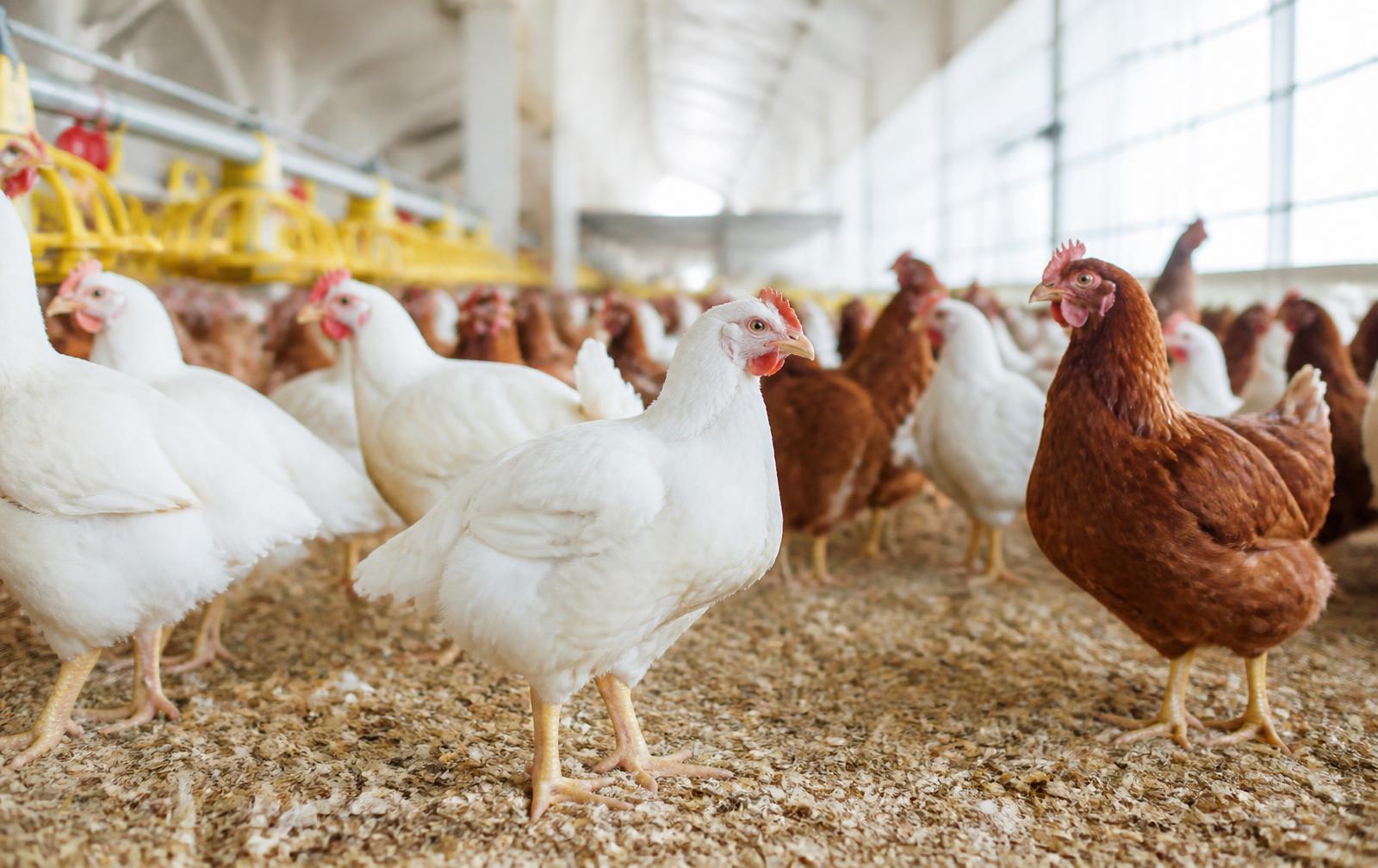
In birds, the gut is the immune system. Toxin control, mineral balance and water management decide feed conversion and egg-shell strength far more than any single additive.
Mycotoxins: the invisible cost
Aflatoxin, ochratoxin, T-2 and fumonisin contaminate maize and groundnut cake at levels far below anything visible. The result is quiet damage: reduced feed intake, pale liver, poor pigmentation, weak immune response to vaccination and a drop in egg production.
- Store raw material dry and off the floor; test suspect consignments before use.
- Use a broad-spectrum toxin binder as routine insurance during monsoon months.
- Support the liver alongside binding — damage already done needs recovery time.
- Do not increase antibiotic use to cover what is actually a feed-quality problem.
Heat stress and water discipline
Birds cannot sweat. Above roughly 30°C, intake falls, panting causes respiratory alkalosis and shell quality suffers first. Cool clean water, adequate drinker space, correct ventilation and electrolyte plus Vitamin C support in water are the practical response.
Shell quality in layers
- Provide a portion of calcium as coarse particles so it is available during night-time shell formation.
- Keep Vitamin D3 adequate — calcium without D3 is poorly absorbed.
- Watch phosphorus levels; excess phosphorus weakens shells rather than strengthening them.
- Manganese and zinc contribute to shell membrane structure.
Litter is a health input
Wet litter drives ammonia, footpad lesions and coccidiosis. Keeping litter dry and friable is one of the highest-return, lowest-cost interventions in any poultry house.
Nutrition support
AlimentosX formulates calcium, mineral mixture, energy, liver and toxin-control solutions across liquids, powders, gels and boluses for every species covered here.
Explore products