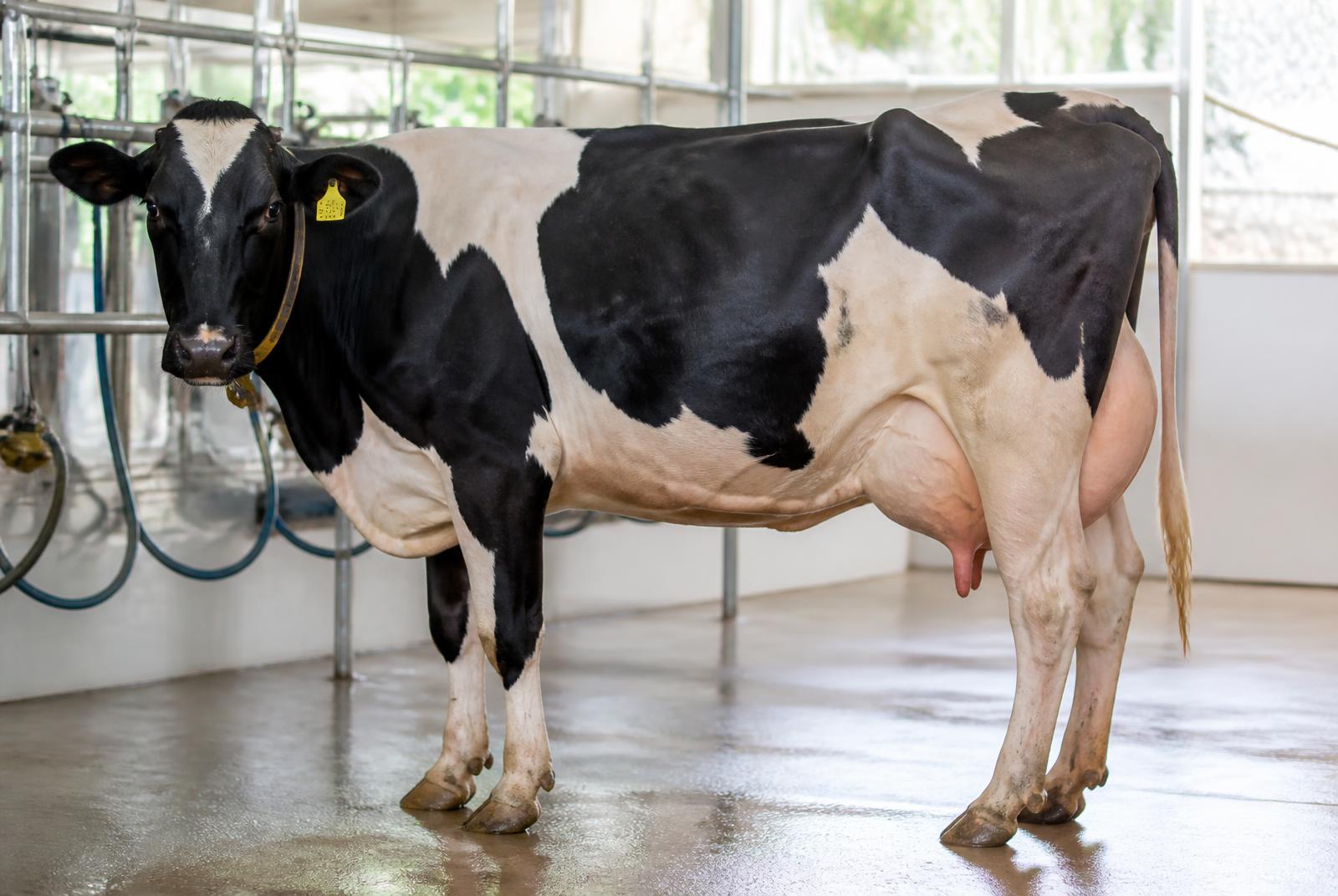
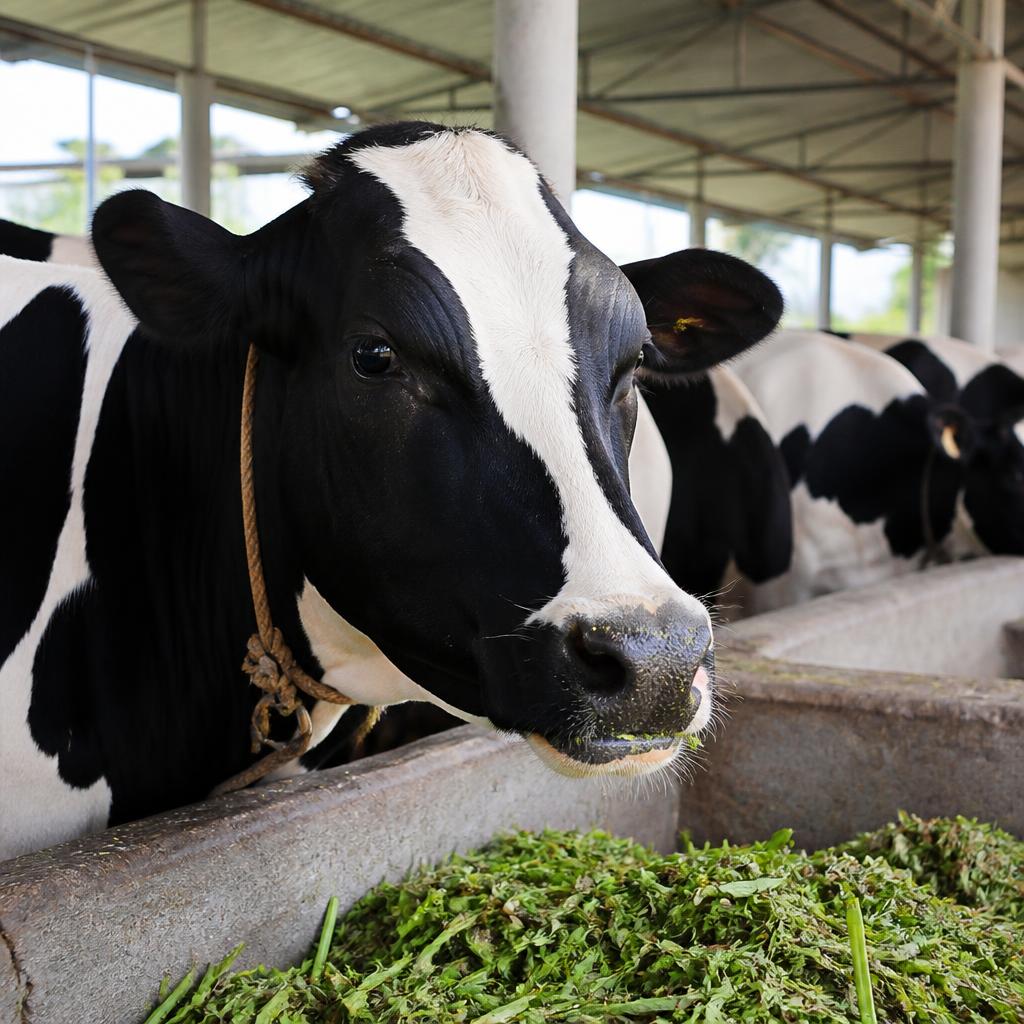
A healthy rumen is the engine of milk production. Learn how rumen pH, acidosis, microbial balance, and smart buffering translate into better feed efficiency and milk fat.
Introduction
The rumen is the largest fermentation vat on the farm. Every kilogram of milk a cow produces starts as feed passing through billions of microbes that break down fibre, starch and protein into energy and protein the cow can use. When the rumen environment is stable, the animal eats more, digests better, and converts feed into milk efficiently. When it is disturbed, the first signs are often missed — until milk drops, dung loosens, and vet bills rise.
Rumen health is therefore not a nutrition detail; it is a profit detail. Understanding pH, acidosis, microbial balance, and the role of buffers puts the farmer back in control of feed efficiency and milk quality.
Rumen pH: the balance point of digestion
Rumen pH normally sits between 6.0 and 7.0, depending on diet and time after feeding. A well-fed cow experiences a short dip after concentrates are consumed, then returns to a comfortable range as she chews cud and produces saliva — nature's own buffer. Trouble begins when pH stays below 6.0 for extended periods, damaging the microbial population and the rumen lining itself.
- A stable pH keeps fibre-digesting bacteria active; these are the microbes that turn roughage into usable energy.
- Wide swings in pH favour acid-producing bacteria, which create lactate and volatile fatty acids faster than the rumen can neutralise them.
- Cud chewing and saliva production (containing sodium bicarbonate) are the cow's first line of buffering defence.
- Feeding frequency, particle length and forage-to-concentrate ratio all determine how much time the rumen spends in the danger zone.
Acidosis: subclinical is more common than clinical
Clinical acidosis — a cow off feed, dull, with diarrhoea and a pounding pulse — is relatively rare. Far more common is sub-acute ruminal acidosis (SARA), where pH is low enough to shift the microbial population but not low enough to cause obvious collapse. SARA silently reduces feed efficiency, lowers milk fat, damages the rumen wall, and increases the risk of laminitis and liver abscesses.
- Watch for low milk fat percentage, especially below 3.2–3.5% in high-yielding crossbreds.
- Loose, frothy dung with undigested grain or bubbles is a common field clue.
- Reduced cud chewing, lying more than usual, and variable feed intake are early behavioural signs.
- Lameness appearing weeks after a diet change often traces back to rumen acidosis.
You rarely see acidosis. You usually see its consequences: thin cows, poor peaks, low-fat milk, and hoof problems that do not respond to treatment alone.
Microbial balance: the workforce inside the rumen
The rumen contains thousands of microbial species, broadly divided into fibre digesters, starch utilisers, protein degraders and acid utilisers. Each group thrives under slightly different conditions. Sudden changes in feed, excessive grain, or poor-quality silage can swing the population away from fibre digestion and toward acid production. The result is not just acidosis but also poor use of the most valuable feed — dry fodder and crop residues.
- Make ration changes gradually over 7–10 days so microbes have time to adapt.
- Include adequate effective fibre (minimum 18–20% ADF) to stimulate rumination and saliva flow.
- Avoid finely ground concentrate; larger particles slow fermentation and reduce acid spikes.
- Protect protein and starch so they reach the lower gut without overwhelming the rumen.
Feed efficiency: more milk from the same feed
Feed efficiency in dairy cows is essentially a measure of rumen efficiency. A stable rumen converts more of the diet into milk and less into waste heat, methane, and loose dung. The same quantity of feed can give very different results depending on rumen health. Cows with SARA eat less, sort feed, and waste concentrates because their rumen is too acidic to extract the full value.
- Monitor dry matter intake and milk yield per kilogram of feed consumed.
- Avoid overloading the rumen with starch from multiple sources at once.
- Provide fresh, palatable feed at consistent times; irregular feeding causes intake swings and pH swings.
- Ensure water is clean and always available — a thirsty cow eats less and ruminates less.
Milk fat: the rumen is the factory
Milk fat synthesis depends heavily on the balance of volatile fatty acids produced in the rumen. Acetate and butyrate from fibre digestion drive fat production; propionate from starch fermentation is important but excessive starch relative to fibre lowers acetate and depresses fat percentage. A low rumen pH also changes fat digestion by altering biohydrogenation pathways, producing trans-fatty acids that directly inhibit milk fat synthesis.
- A diet too high in concentrate and too low in structural fibre is the main cause of low milk fat.
- Keep the forage-to-concentrate ratio appropriate for the yield level and stage of lactation.
- Watch the total mixed ration for sorting; cows often leave longer fibre and over-consume grain.
- Low fat often appears before other acidosis signs, making it a useful early warning signal.
Buffer supplements: stabilising the rumen
Buffer supplements help the rumen neutralise excess acid, especially during high-concentrate feeding or when feed quality is variable. Sodium bicarbonate is the most widely used rumen buffer; it reacts with acid to form carbon dioxide and water, easing pH back toward the optimal range. Other buffers include magnesium oxide, potassium carbonate, and certain seaweed or yeast-based products that support microbial resilience.
- Buffers are most useful when concentrate levels exceed 50–60% of the diet.
- They work best alongside adequate fibre, not as a substitute for poor ration structure.
- Yeast cultures and live yeasts can help stabilise rumen pH and support fibre-digesting bacteria.
- Toxin binders reduce the microbial load from contaminated feed, letting the rumen focus on digestion.
- Use buffers under nutritional guidance; over-supplementation can disrupt mineral balance and water intake.
Common digestive disorders linked to poor rumen health
- Displaced abomasum: often follows a drop in rumen fill and appetite after acidosis or ketosis.
- Bloat: trapped foam from rapid legume or lush cereal fermentation blocks eructation and can be fatal.
- Laminitis and hoof disorders: chronic low-grade acidosis releases inflammatory factors that damage hoof circulation.
- Reduced immunity and repeat mastitis: rumen stress lowers energy and protein availability for immune function.
- Poor fertility: low energy intake from acidosis delays cycling and conception.
How proper rumen buffering supports productivity
Proper rumen buffering is not about adding one product; it is about creating conditions where the rumen can handle the diet without chronic stress. This means the right amount of effective fibre, gradual ration changes, adequate feed space, clean water, and targeted buffers during high-risk periods. When these pieces are in place, cows eat more consistently, digest feed better, maintain milk fat, and stay healthier through peak lactation.
AlimentosX offers rumen-friendly solutions including calcium and mineral buffers, energy and liver support, yeast-based digestive aids, and toxin binders designed to keep the rumen stable and productive. Speak to your nutritionist or veterinarian to build a rumen health programme matched to your herd's ration and stage of lactation.
Nutrition support
AlimentosX formulates calcium, mineral mixture, energy, liver and toxin-control solutions across liquids, powders, gels and boluses for every species covered here.
Explore products