Building a Healthy Dairy Herd Through Proper Mineral Nutrition
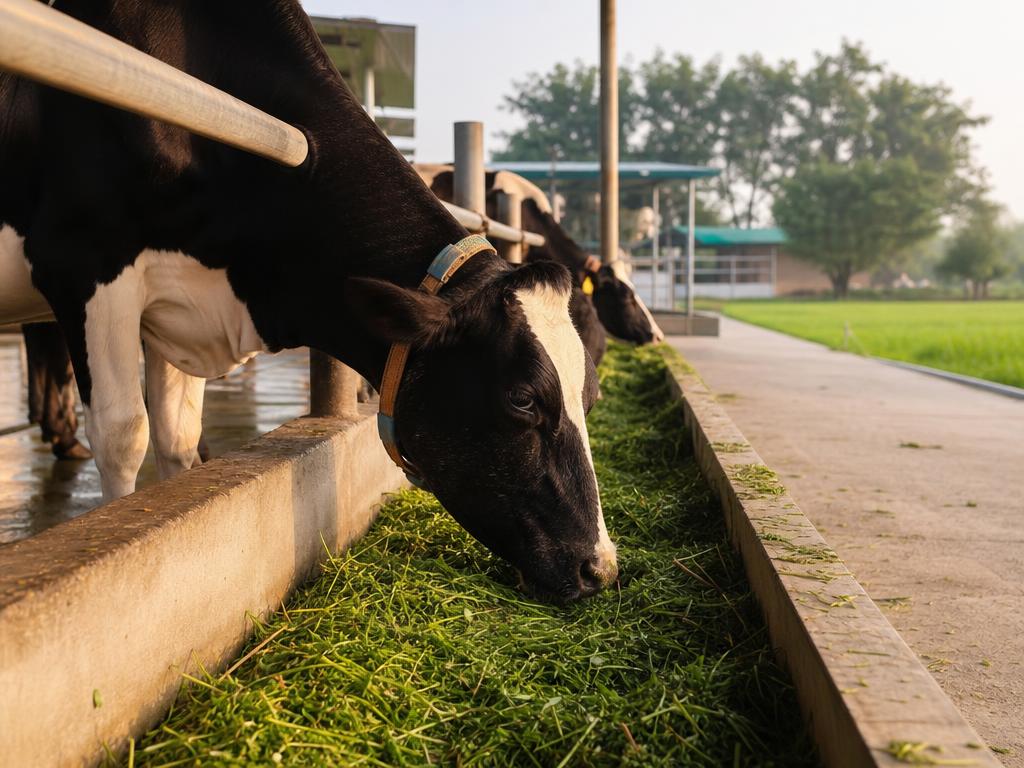
Macro minerals, micro minerals, electrolytes and chelated minerals each play a distinct role in herd health. Learn how to spot deficiencies and build a practical supplementation schedule for long-term productivity.
Introduction
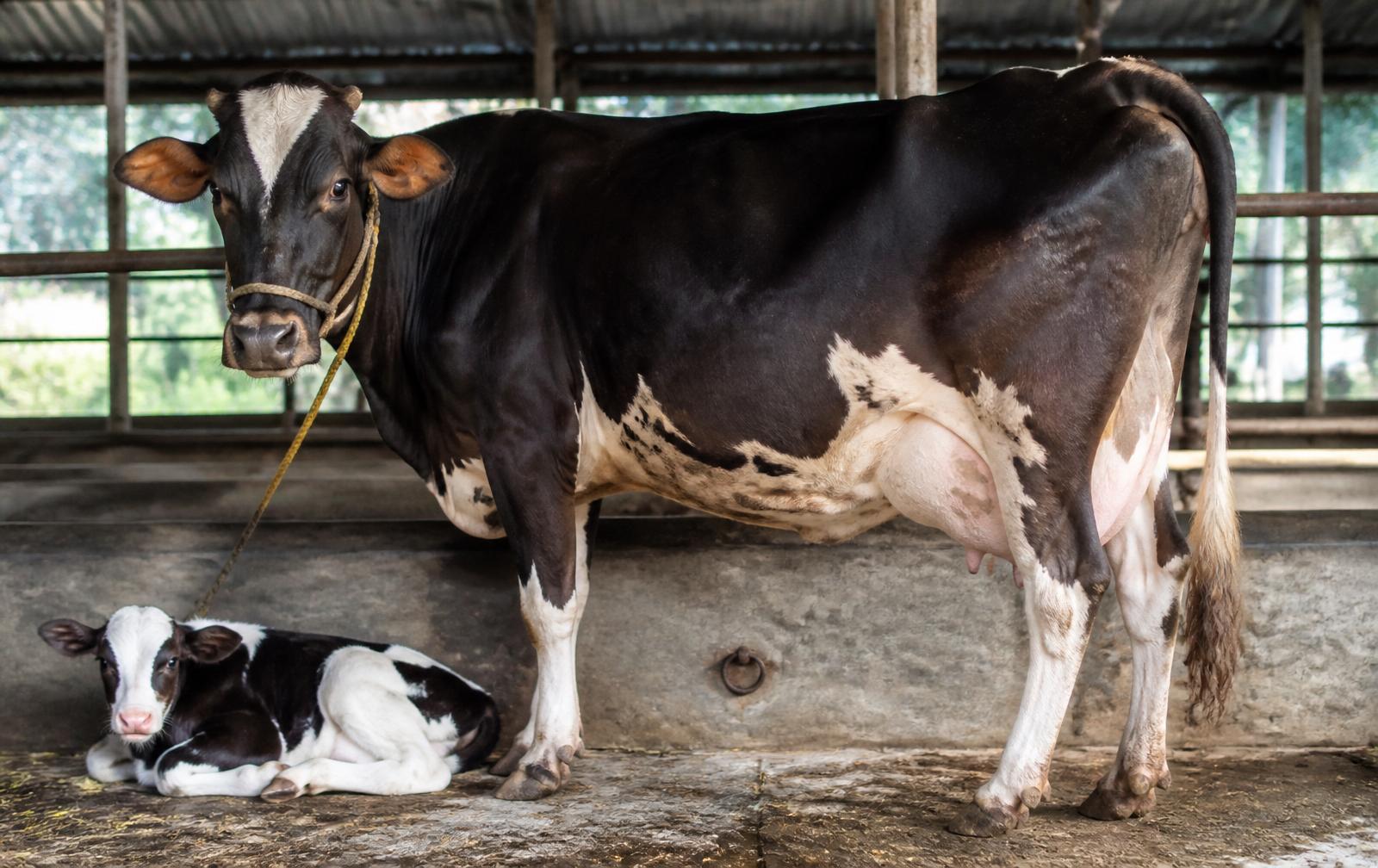
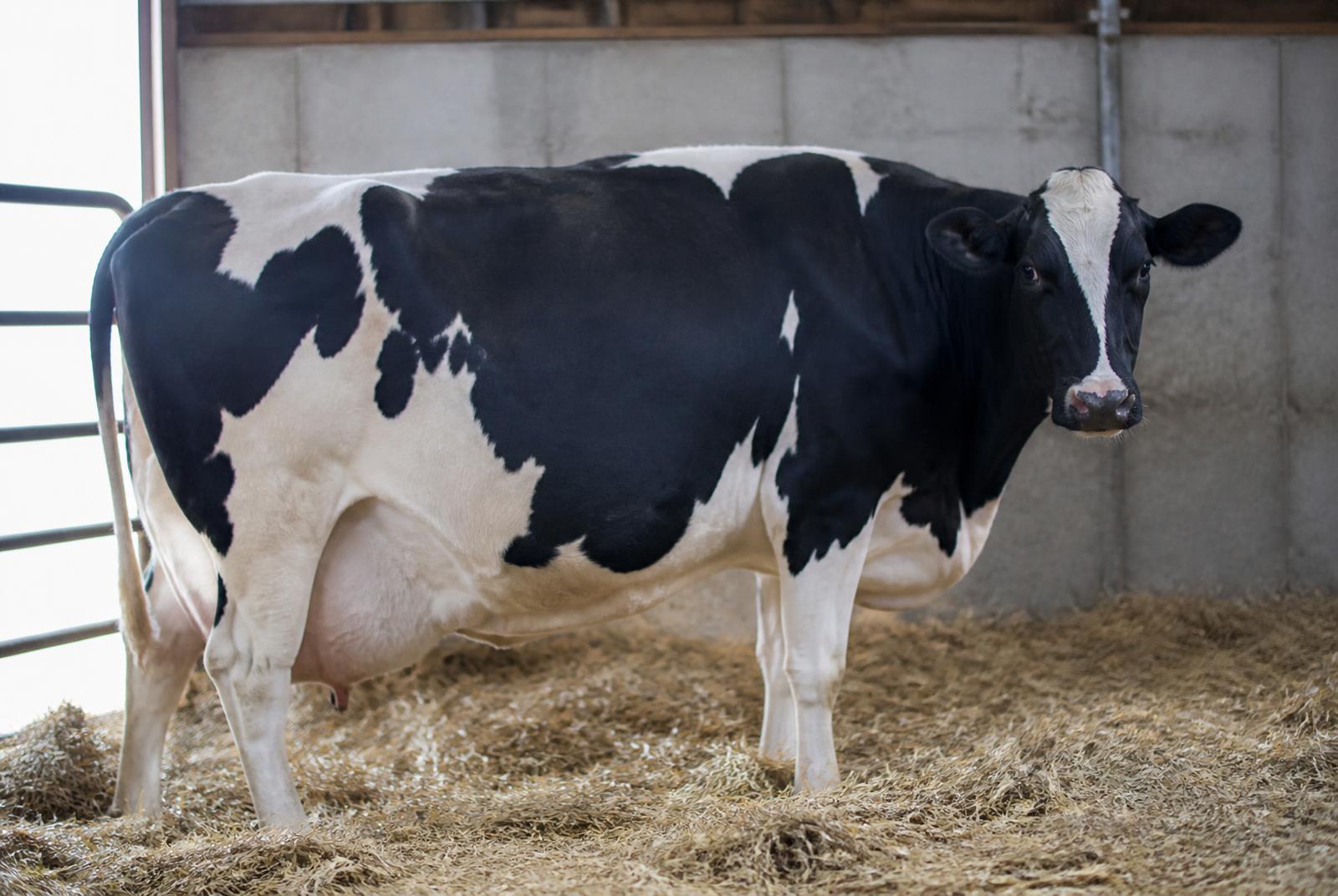
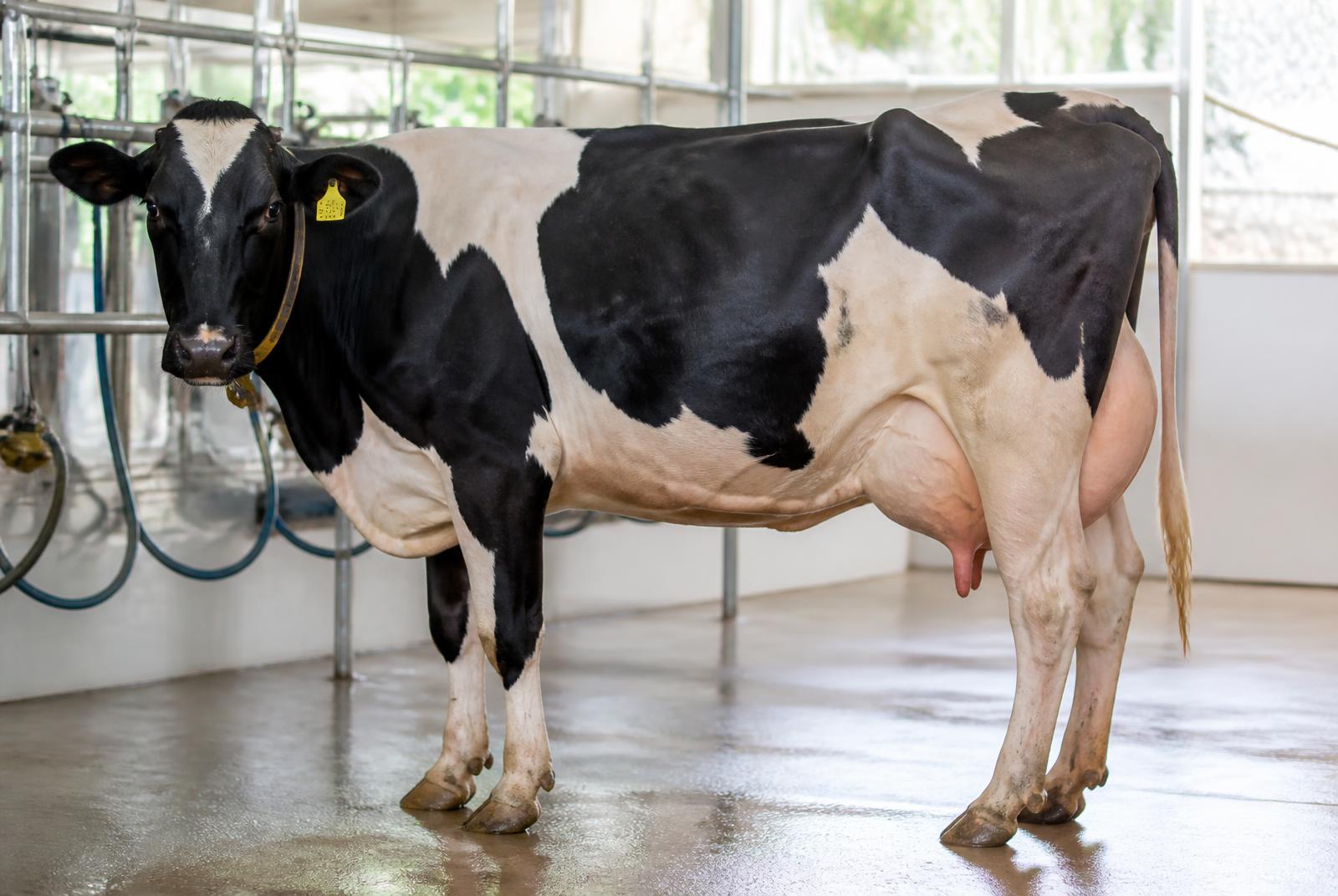
Mineral nutrition is the foundation of a healthy, high-producing dairy herd. While energy and protein often receive the most attention, minerals are what hold the whole system together. They strengthen bones, regulate muscles, support reproduction, maintain immunity, and keep the rumen functioning. A balanced mineral programme does not just prevent disease — it unlocks the genetic potential of every animal.
Many dairy farmers only notice mineral problems when visible symptoms appear. By that time, production has already suffered silently for weeks. The key is to understand the roles of each mineral group, recognise early deficiency signs, and follow a consistent supplementation schedule that matches the animal's stage of life and production.
Macro minerals: the building blocks
Macro minerals are required in larger amounts and form the structural and functional backbone of the body. Calcium, phosphorus, magnesium, sulphur, potassium, sodium, and chlorine are the main macro minerals dairy animals need every day.
- Calcium: essential for milk production, bone strength, muscle contraction, and nerve signalling. Fresh cows are especially vulnerable to low calcium.
- Phosphorus: works with calcium for bones and energy metabolism. Low phosphorus is linked to poor appetite, weak bones, and reproductive failure.
- Magnesium: activates enzymes, supports nerve function, and is critical for calcium mobilisation. Grass tetany is a classic magnesium deficiency.
- Sulphur: needed for protein synthesis, rumen microbial activity, and hoof horn quality.
- Potassium, sodium and chlorine: electrolytes that regulate fluid balance, acid-base status, and rumen buffering.
Micro minerals: small amounts, big impact
Micro or trace minerals are needed in tiny quantities but are involved in many vital processes. Zinc, copper, selenium, manganese, cobalt, iodine, iron, and chromium are the most important for dairy animals. Deficiencies often appear slowly and can be mistaken for other problems.
- Zinc: supports skin healing, hoof integrity, immune response, and reproductive health.
- Copper: important for bone development, fertility, immunity, and red blood cell formation.
- Selenium: works with Vitamin E as an antioxidant and supports muscle, udder, and immune health.
- Manganese: required for bone formation, reproduction, and cartilage development.
- Cobalt: essential for rumen microbes to produce Vitamin B12.
- Iodine: controls thyroid function, which regulates metabolism and growth.
Electrolytes: keeping the system in balance
Electrolytes are minerals that carry an electrical charge and help maintain hydration, nerve function, and acid-base balance. Sodium, potassium, and chlorine are the main electrolytes in dairy nutrition. During heat stress, illness, diarrhoea, or transition, animals can lose electrolytes quickly and need prompt replenishment.
- Sodium and chlorine from common salt regulate thirst, feed intake, and rumen pH.
- Potassium is abundant in green forage and is critical for muscle and nerve function.
- Electrolyte imbalance reduces feed intake, milk yield, and recovery from stress.
- Heat-stressed cows lose potassium through sweat and benefit from adjusted mineral support.
- Oral electrolyte solutions are essential during scours and dehydration in calves.
Chelated minerals: better absorption, better results
Chelated minerals are trace minerals bound to an organic molecule such as an amino acid or glycine. This binding protects the mineral from reacting with other feed components in the rumen and improves absorption in the intestine. Chelated forms are particularly useful during high production, stress, or when inorganic minerals alone are not enough.
- Glycine-chelated zinc, copper, and manganese are more bioavailable than inorganic salts.
- Chelated minerals improve hoof health, fertility, immunity, and skin condition.
- They reduce interference between minerals such as copper and sulphur or iron and zinc.
- Useful in transition cows, high-yielders, repeat breeders, and herds with hoof problems.
- Chelated minerals cost more per kilogram but often deliver better return on investment.
Recognising deficiency symptoms
Mineral deficiencies rarely show a single dramatic sign. Instead, a combination of poor growth, low fertility, weak immunity, and dull coat develops gradually. Watching the herd closely and keeping records helps identify problems before they become widespread.
- Calcium: muscle weakness, milk fever, retained placenta, poor milk let-down.
- Phosphorus: pica, weak bones, low appetite, poor fertility, silent heats.
- Magnesium: excitability, staggers, convulsions, sudden death in lush pasture.
- Zinc: cracked hooves, skin lesions, poor wound healing, low immunity.
- Copper: rough discoloured coat, anaemia, poor growth, delayed calving.
- Selenium and Vitamin E: retained placenta, weak calves, muscle stiffness.
- Iodine: weak or hairless calves, poor growth, enlarged thyroid.
Supplementation schedule: when and how
A good mineral programme is not a one-time fix. It follows the animal through every stage of life, adjusting for lactation, dry period, transition, growth, and environmental stress. The schedule should be practical, consistent, and based on the farm's forage and water mineral profile.
- Dry cows: transition mineral mix with controlled calcium, magnesium, and selenium.
- Fresh cows: high calcium, phosphorus, and energy support immediately after calving.
- Early lactation: focus on calcium, phosphorus, zinc, copper, and selenium for peak yield.
- Mid to late lactation: maintain mineral balance and body condition for rebreeding.
- Heifers and calves: calcium, phosphorus, copper, zinc, and iodine for bone and growth.
- Heat stress: increase potassium, sodium, and magnesium with adequate water access.
- Year-round: provide a complete mineral mixture through feed, water, or free-choice mineral licks.
Long-term productivity: the mineral advantage
Proper mineral nutrition pays back over the lifetime of the animal. Cows that receive balanced minerals calve more easily, produce more milk, breed back sooner, and stay in the herd longer. Young stock grows to their full genetic potential and enters the milking herd at the right size and age. The herd becomes more resilient to disease, stress, and seasonal changes.
- Better fertility: fewer days open, lower repeat breeding, and stronger pregnancies.
- Higher milk yield and milk solids through improved metabolism and rumen function.
- Reduced lameness and hoof treatment costs.
- Lower veterinary bills and antibiotic use thanks to stronger immunity.
- Longer productive life and fewer premature cullings.
- More uniform growth and age at first calving in replacement stock.
Minerals are not additives. They are essential nutrients that determine whether a ration performs on paper or actually performs in the animal.
AlimentosX offers science-based mineral nutrition solutions for every stage of the dairy lifecycle. From macro-mineral boluses and calcium gels to chelated trace minerals and balanced electrolyte support, our products help farmers build healthier, more productive herds. Speak with your nutrition advisor to design a mineral programme matched to your farm's forage, water, and production goals.
Nutrition support
AlimentosX formulates calcium, mineral mixture, energy, liver and toxin-control solutions across liquids, powders, gels and boluses for every species covered here.
Explore products