Buffalo Milk Let-Down & Udder Health: A Practical Farm Guide
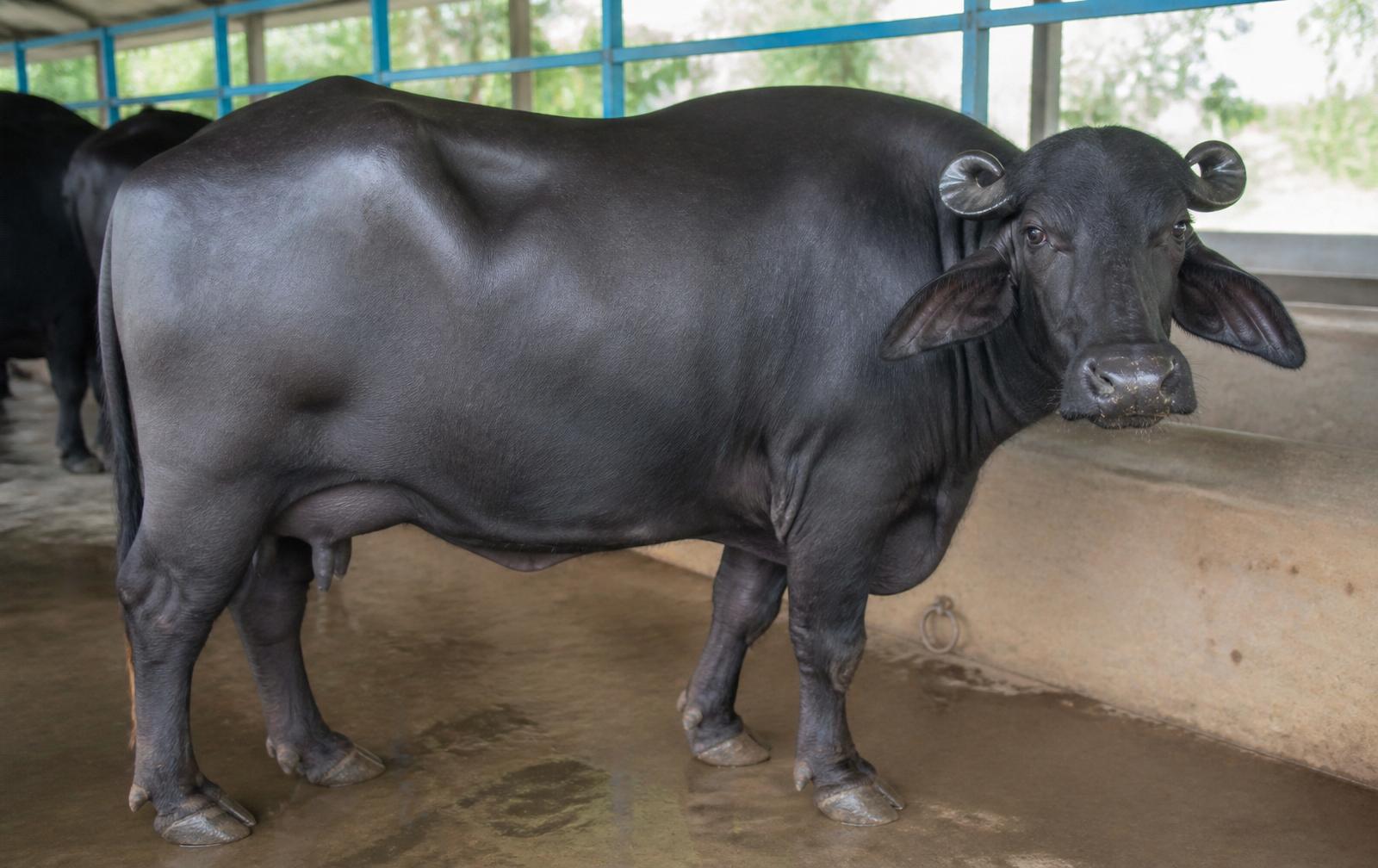
Buffaloes are slower to let down milk and quieter about udder pain. Small changes in milking routine, mineral status and hygiene protect both yield and fat percentage.
Why buffalo milking is different
Buffalo teat canals are longer and narrower than a cow's, and buffaloes are far more sensitive to handling and noise. Oxytocin release depends heavily on a calm, predictable routine, which is why the same animal can give a full let-down for one milker and hold back for another.
Building a let-down routine that works
- Milk at the same two times every day — buffaloes respond strongly to routine.
- Wash the udder with clean lukewarm water and massage for 30–60 seconds before starting.
- Complete milking within 6–8 minutes of stimulation, while oxytocin is still circulating.
- Avoid shouting, sudden movements, new milkers or moving animals just before milking.
- Never rely on routine oxytocin injections; they mask the real cause and damage let-down over time.
Udder health and subclinical mastitis
Buffaloes often show no obvious clots or swelling while somatic cell counts are already rising. Regular strip-cup checks on the first squirts, post-milking teat dipping and dry clean flooring catch far more cases than waiting for a visibly hot quarter.
Nutrition that supports yield and fat
- Balanced calcium and phosphorus for muscle tone in the udder and complete milk let-down.
- Trace minerals — zinc, copper, selenium and Vitamin E — for teat-end keratin and immune defence.
- Rumen buffering during high-concentrate feeding to keep fat percentage stable and prevent acidosis.
- Adequate bypass energy in early lactation so body reserves are not stripped for milk.
- Clean water available all day; a buffalo can drink 80–100 litres in summer.
Heat stress: the hidden yield thief
Dark hide and few sweat glands make buffaloes highly heat-sensitive. Shade, wallowing or sprinklers, fans and shifting feeding to cooler hours can recover a significant part of the summer yield drop, especially when paired with electrolyte and mineral support.
Nutrition support
AlimentosX formulates calcium, mineral mixture, energy, liver and toxin-control solutions across liquids, powders, gels and boluses for every species covered here.
Explore products