Equine Nutrition: Feeding for Stamina, Topline & Hoof Health
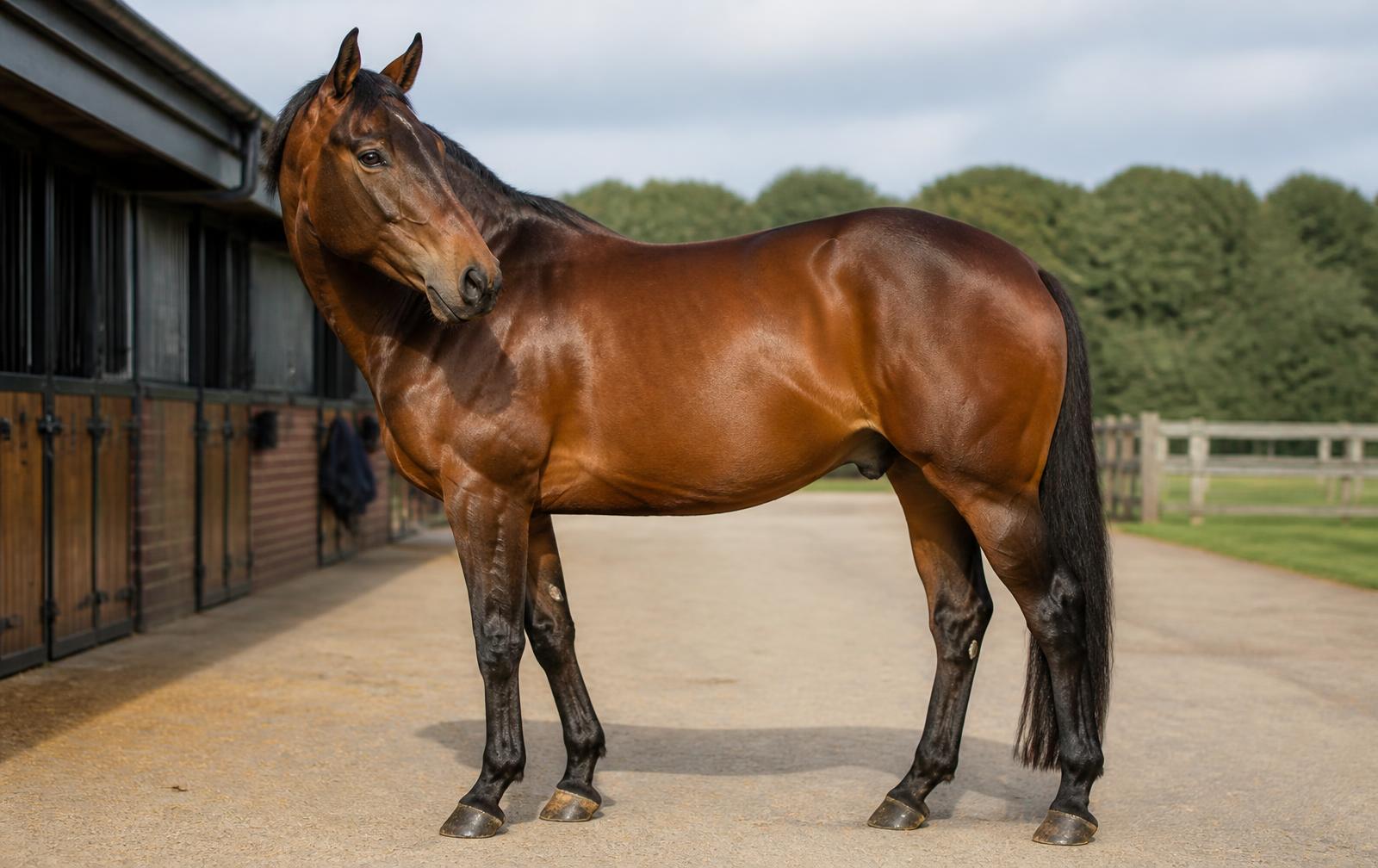
Horses are hindgut fermenters with a small stomach. Forage-first feeding, steady electrolytes and targeted minerals do more for performance than any single tonic.
Forage first, always
A horse's digestive tract is built for continuous small meals. Aim for at least 1.5% of body weight per day as good-quality forage, and keep concentrate meals small and split. Long gaps without forage raise the risk of gastric ulcers and stereotypic behaviour.
Signals that the ration needs review
- Poor topline despite adequate grain — usually a quality-protein and amino-acid gap.
- Dull coat and slow shedding — commonly copper, zinc and fatty-acid related.
- Cracked, slow-growing hooves — biotin, zinc, methionine and overall mineral balance.
- Loose droppings after work or transport — hindgut disturbance and electrolyte loss.
- Sudden fatigue or muscle cramping in hot weather — sodium, chloride and potassium depletion.
Electrolytes for working horses
Horses lose more electrolytes in sweat than most species. Salt should be freely available, with additional electrolyte supplementation on heavy work days and during transport — always alongside free-choice water, never as a substitute for it.
Liver and metabolic support
Performance horses on high-concentrate rations, or those recovering from illness and deworming, benefit from liver support and B-complex vitamins to sustain appetite and energy metabolism. Introduce every dietary change over 7–10 days.
Nutrition support
AlimentosX formulates calcium, mineral mixture, energy, liver and toxin-control solutions across liquids, powders, gels and boluses for every species covered here.
Explore products