Mycotoxins in Animal Feed: An Invisible Threat to Farm Profitability
Mould toxins do not always show on the feed or on the animal. They quietly cut intake, damage the gut and liver, depress immunity and pull down milk yield — long before anyone suspects the feed.
Mycotoxins are toxic compounds produced by moulds growing on grains, oilcakes, brans and forages. They are invisible, tasteless, heat-stable and survive normal feed processing. Most farms never see a dramatic outbreak — instead they see a slow, unexplained slide in intake, milk, growth and fertility that resists every other correction. That is why mycotoxins are best described as a profitability disease rather than a clinical disease.
Where mycotoxins come from — sources on a real farm
- Field moulds: Fusarium species infect standing maize, wheat and sorghum, especially after unseasonal rain at flowering or harvest.
- Storage moulds: Aspergillus and Penicillium grow after harvest whenever grain moisture exceeds roughly 14% or humidity is high.
- By-products concentrate risk: maize gluten, DDGS, rice bran, groundnut and cottonseed cake carry more toxin than the parent grain.
- Poorly compacted or leaking silage, damp total mixed ration left in the manger, and caked feed at bin corners.
- Wet monsoon storage on bare floors, against damp walls, or under leaking roofs and tarpaulins.
The main mycotoxins and what each one does
- Aflatoxin B1 (Aspergillus): liver toxin and carcinogen; excreted into milk as Aflatoxin M1, which is a food-safety and milk-rejection risk.
- Fumonisins: damage gut lining and impair nutrient absorption; particularly harmful to swine and poultry.
- Deoxynivalenol (DON, vomitoxin): reduces feed intake, causes gut inflammation and loose dung.
- Zearalenone: oestrogen-like effects — swollen vulva, irregular heat, repeat breeding, poor conception.
- T-2 / HT-2 toxins: mouth and gut lesions, immune suppression.
- Ochratoxin A: kidney damage, mainly in poultry and pigs.
Aflatoxins: the one to watch in India
Aflatoxins are the most common and most costly group in Indian conditions because groundnut cake, cottonseed cake and maize — all staples of our rations — are highly susceptible during humid storage. In dairy animals, roughly 1–2% of ingested Aflatoxin B1 appears in milk as M1 within 24 hours, so contaminated feed becomes contaminated milk very quickly. Milk residues fall again within a few days of removing the source, which makes early detection worth real money.
Gut damage: the first casualty
The intestinal lining is the first tissue exposed and the first to suffer. Mycotoxins shorten villi, loosen tight junctions and reduce enzyme activity. The result is a leaky, inflamed gut that absorbs fewer nutrients from the same feed, allows bacterial endotoxins into the bloodstream and diverts energy into inflammation instead of milk, eggs or growth. In practical terms: unchanged feed cost, reduced output.
Reduced immunity
- Suppressed lymphocyte and macrophage function means poorer response to vaccination.
- Higher incidence of mastitis, metritis, respiratory disease and coccidiosis.
- Slower recovery from routine stress such as transport, heat or weaning.
- Antibiotic and other treatments appear less effective than they should be.
Lower milk yield and poorer reproduction
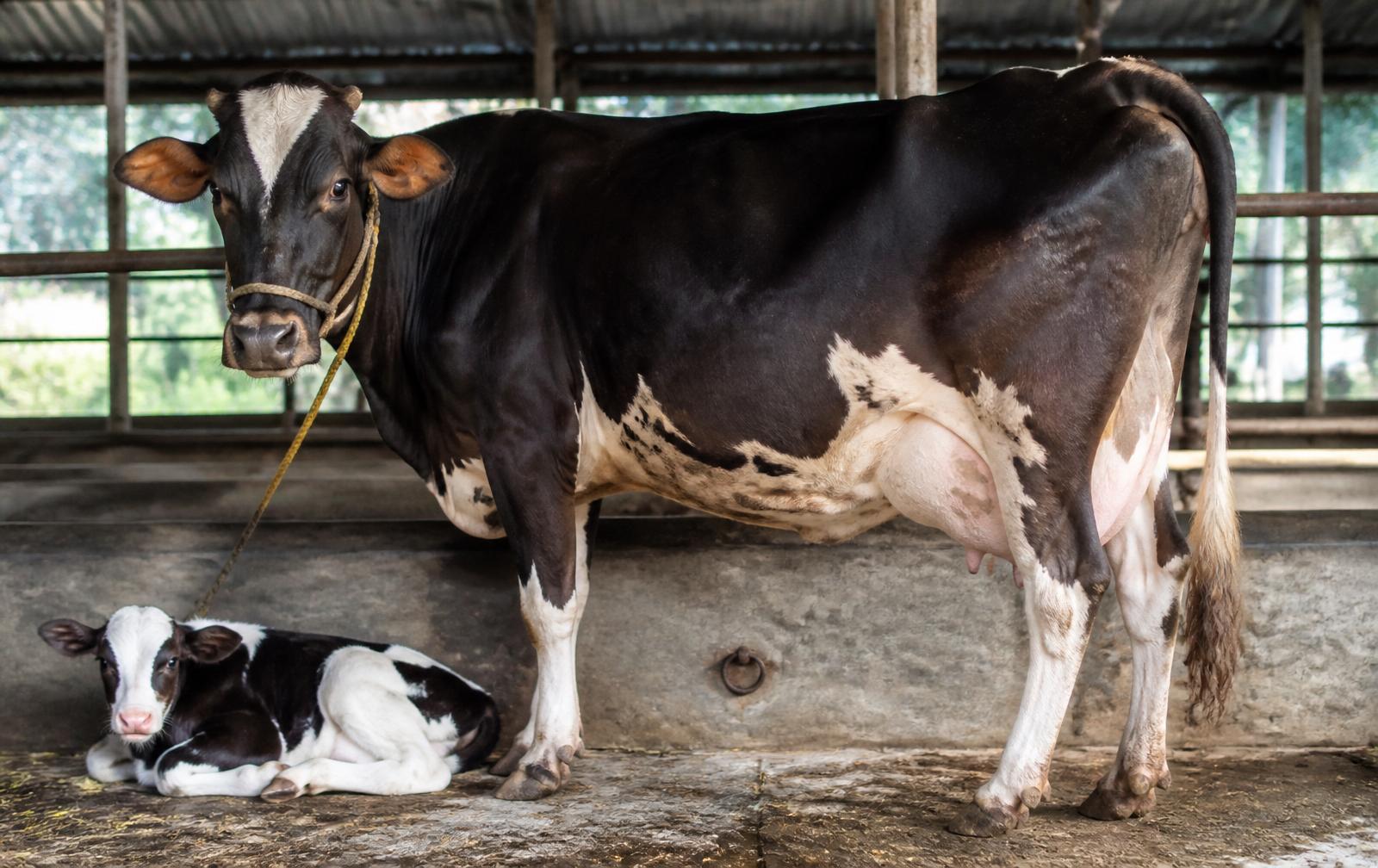
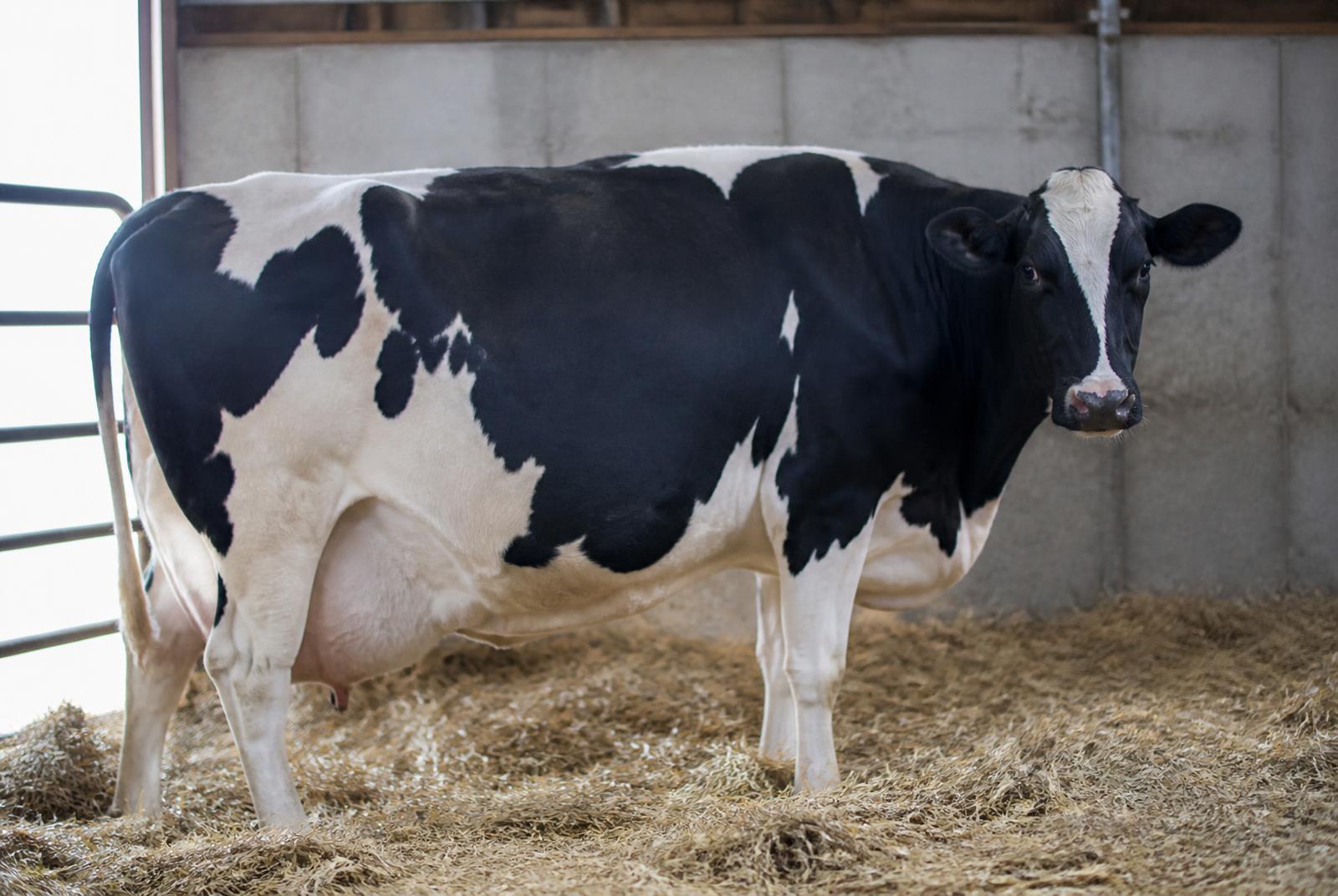
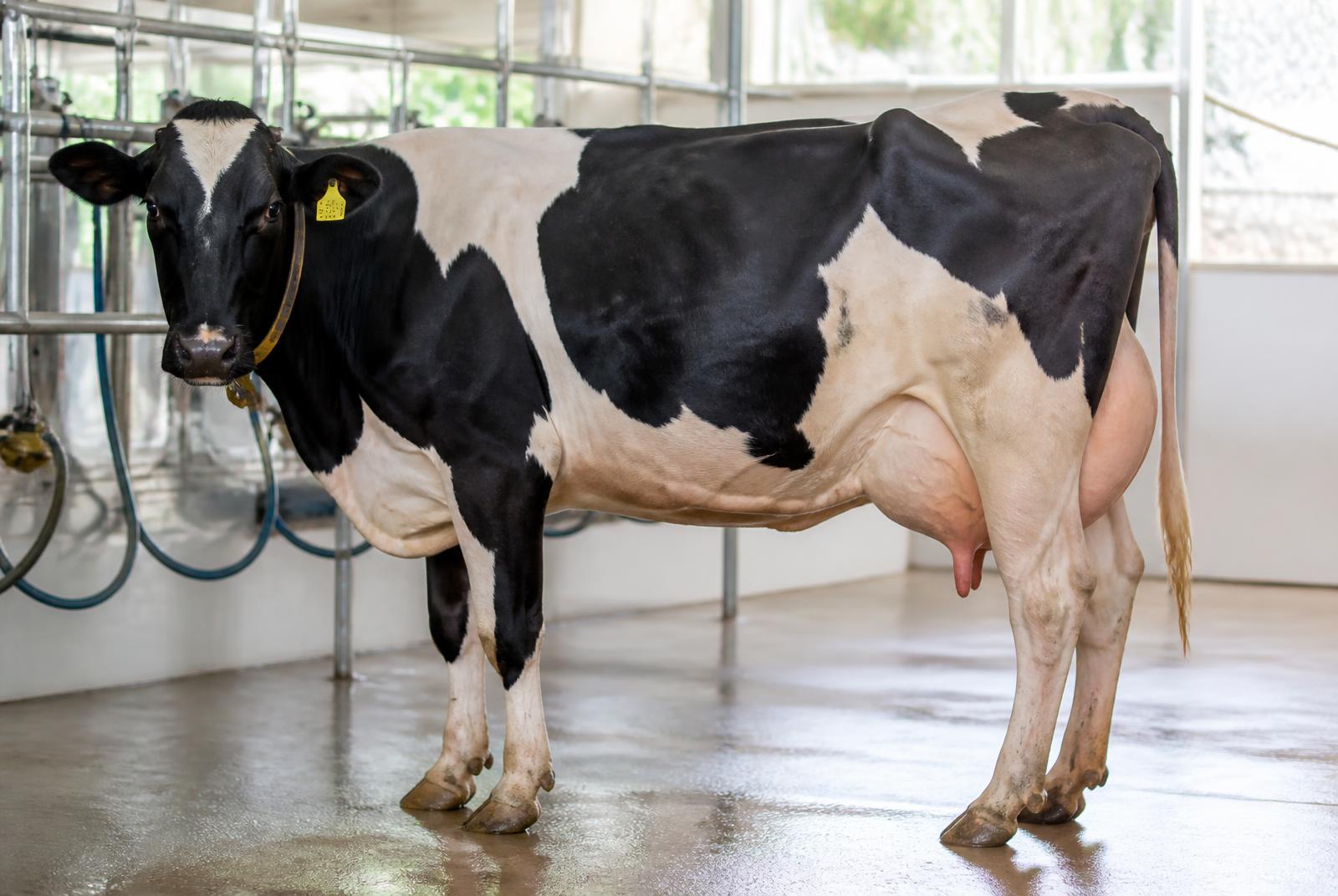
Typical field picture: intake drops 5–15%, milk falls 1–3 litres per animal per day, fat and protein slip, somatic cell count creeps up, and services per conception rise. Because there is no obvious sick animal, the loss is usually blamed on weather, fodder quality or the season — while the cost quietly accumulates over months.
Liver damage — the silent lesion
The liver detoxifies mycotoxins and pays the price. Repeated exposure causes fatty change, bile duct proliferation and fibrosis. A compromised liver cannot support gluconeogenesis, protein synthesis or vitamin storage — so animals become more prone to ketosis, show rough coats and pale mucous membranes, and respond poorly to energy or calcium supplementation. In poultry, pale enlarged livers and poor pigmentation at slaughter are classic signs.
How to recognise feed contamination on the farm
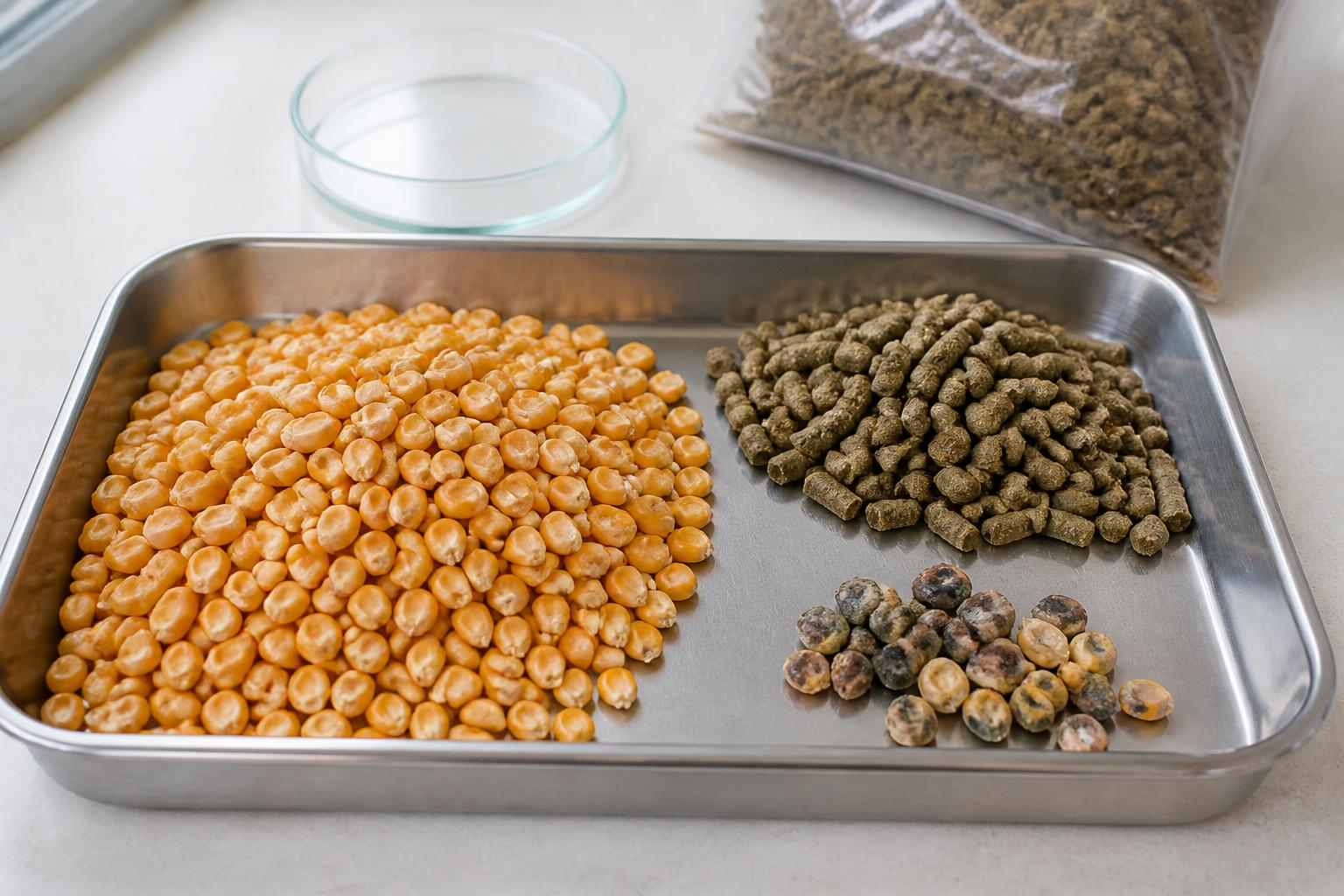
- Musty, sour or earthy smell; visible grey, green, black or pink mould growth.
- Caked, lumpy or discoloured feed; dust that irritates the nose when handling.
- Grain that feels warm in the middle of the heap — active mould generates heat.
- Animals sorting feed, leaving residue, or intake dropping across the whole shed at once.
- Symptoms that appear soon after a new batch of feed or cake is opened.
Prevention: control what you can before the animal eats
- Buy from reliable suppliers; ask for aflatoxin test values on maize, brans and oilcakes.
- Keep grain moisture below 12–14% and store on pallets, away from walls, in dry ventilated rooms.
- Use stock in first-in-first-out order; never top up a fresh batch onto old residue.
- Clean mixers, augers, bins and mangers regularly — residue is where moulds start.
- Ensile at correct moisture, compact well, seal properly and discard spoiled surface layers.
- Discard visibly mouldy feed; do not dilute it into the ration hoping to reduce the dose.
Mycotoxin binders: the practical safety net
Because contamination can never be fully eliminated, a broad-spectrum binder fed continuously is the sensible insurance. A good binder works in two ways: adsorption, where clay-based materials such as activated hydrated sodium calcium aluminosilicate and bentonite trap polar toxins like aflatoxin in the gut so they are excreted in dung; and biotransformation, where yeast cell wall glucomannans, enzymes and specific microbial cultures bind or break down non-polar toxins such as zearalenone, DON and fumonisins that clays alone cannot hold.
- Choose broad-spectrum products — clay-only binders miss Fusarium toxins entirely.
- Look for added liver and antioxidant support such as silymarin, choline, methionine or Vitamin E and selenium.
- Feed daily as a routine ration component, not only when a problem appears.
- Raise the inclusion rate during monsoon, on by-product-heavy rations and in transition or peak-yield animals.
- Ensure the binder is selective — it should not strip vitamins and trace minerals from the feed.
You cannot see mycotoxins, but you can see what they cost — in the milk can, in the growth chart and in the breeding register.
AlimentosX offers toxin-control and liver support solutions for cattle, buffaloes, horses, goats, sheep, poultry and swine, formulated for Indian feed ingredients and monsoon storage conditions. Speak to your veterinarian or our technical team to build a year-round mycotoxin management plan for your farm.
Nutrition support
AlimentosX formulates calcium, mineral mixture, energy, liver and toxin-control solutions across liquids, powders, gels and boluses for every species covered here.
Explore products