Goat Farming: Kid Growth, Doe Nutrition & Preventing Weak Kids
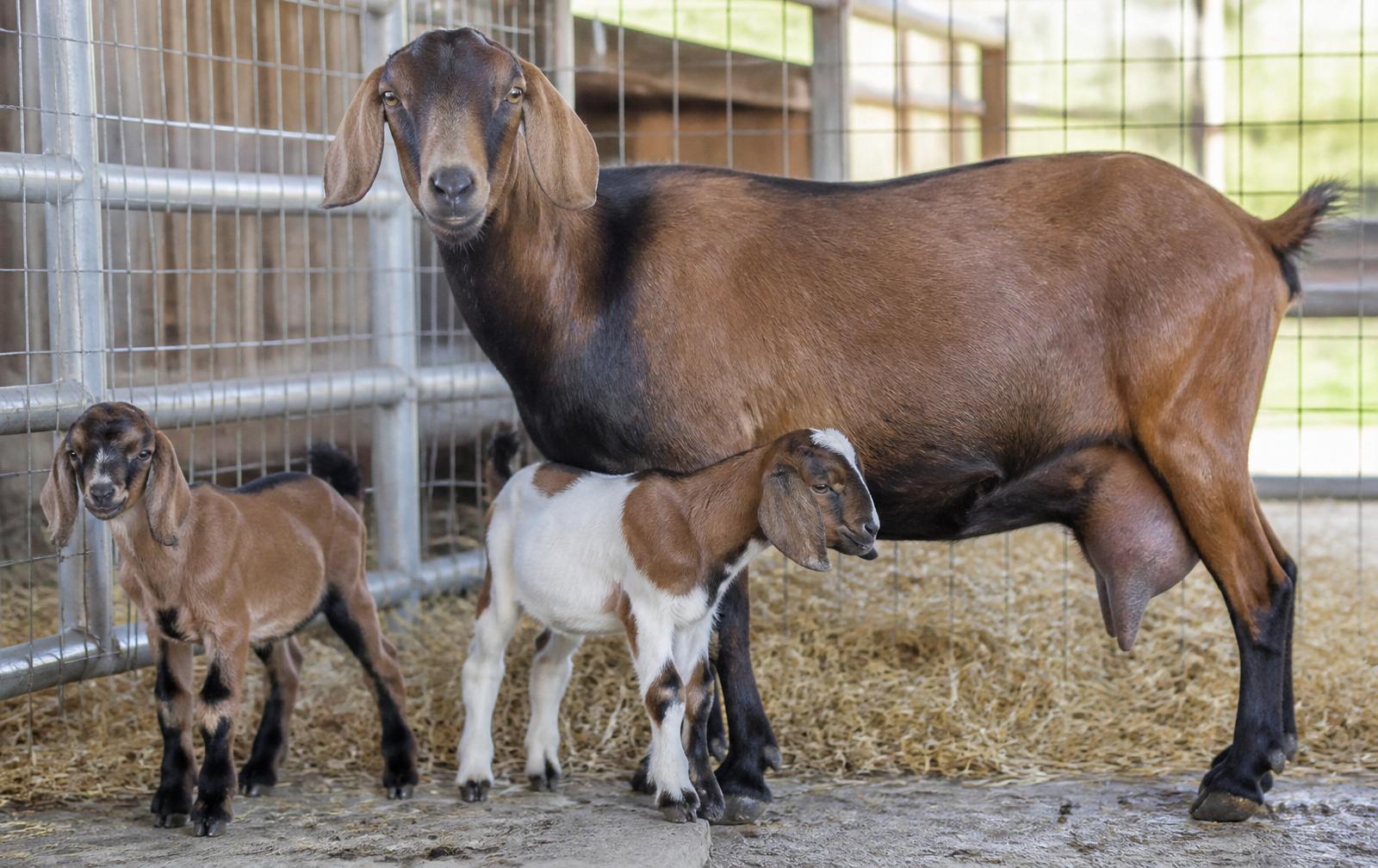
Most kid losses trace back to the last month of pregnancy and the first six hours of life. A simple colostrum-and-minerals discipline changes flock economics.
The last month of pregnancy decides everything
Around 70% of foetal growth happens in the final six weeks, while rumen space is shrinking. Energy-dense, highly digestible feed in this window prevents pregnancy toxaemia in the doe and weak, low-birth-weight kids.
First six hours: colostrum protocol
- Feed colostrum within the first 1–2 hours; target 10% of body weight in the first 24 hours.
- Dry the kid, clear the airway and disinfect the navel with iodine.
- Keep newborn kids out of draughts — hypothermia kills faster than infection.
- Watch for a doe with poor milk supply and arrange a foster or replacement source immediately.
Growth-phase nutrition
- Introduce a palatable creep feed from 2–3 weeks to build rumen papillae early.
- Supply a mineral mixture with calcium, phosphorus, zinc, copper and cobalt for frame growth.
- Add liver and appetite support after illness or heavy parasite burden.
- Weigh a sample of kids monthly — guessing hides slow growth for months.
Common preventable problems
Internal parasites, coccidiosis, urinary calculi in male kids fed high-phosphorus grain, and hypocalcaemia in heavily pregnant does are the four issues that most often cut into flock margins. Regular faecal checks, correct calcium-to-phosphorus balance and clean dry housing address most of them.
Nutrition support
AlimentosX formulates calcium, mineral mixture, energy, liver and toxin-control solutions across liquids, powders, gels and boluses for every species covered here.
Explore products